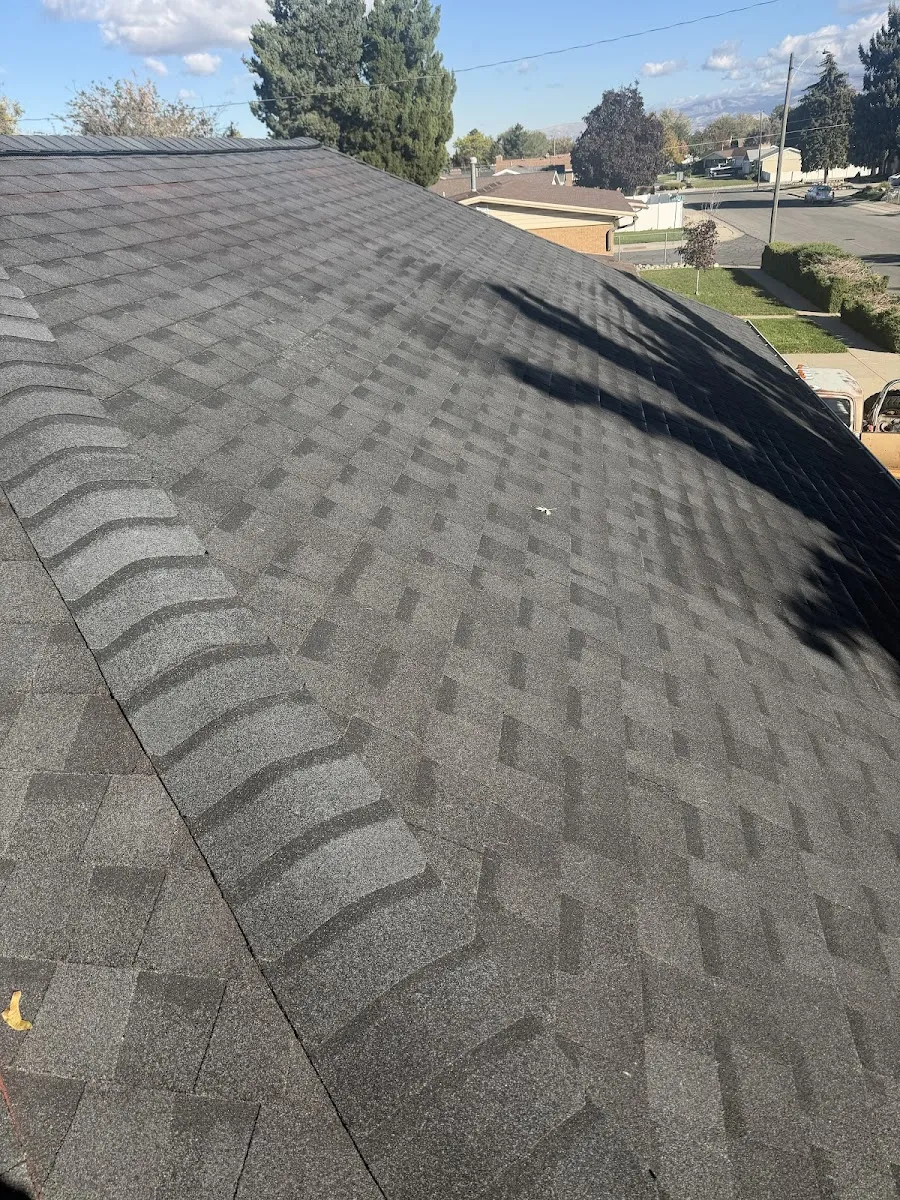
Salt Lake City's established neighborhoods — Sugar House, the Avenues, Federal Heights, Yalecrest, East Bench, Millcreek — share a quality that newer subdivisions can't replicate: mature trees, walkable streets, architectural variety, and the settled character that comes from decades of families investing in their homes. These are neighborhoods where reroofing decisions affect not just the individual home but the streetscape, the neighbor relationships, and the property values of the surrounding block.
Reroofing in an established neighborhood comes with considerations that don't apply to newer developments. The lots are narrower. The trees are taller. The architectural styles vary from house to house, which means material selection has to work within a more complex visual context. And the homeowners care — about their home, about the neighborhood's appearance, and about whether the construction process will disrupt the daily rhythm of a quiet residential street. Getting this right requires more than roofing skill. It requires the kind of planning and site awareness that respects the neighborhood's character from the first delivery truck to the final cleanup.
Site Logistics in Established Neighborhoods
The practical challenges of reroofing in older Salt Lake City neighborhoods begin before the first shingle comes off. These are environments that weren't designed for modern construction logistics, and contractors who don't plan for these constraints create problems that erode homeowner confidence and neighbor goodwill.
Street Access and Staging
Many of Salt Lake City's established streets feature narrow roadways, on-street parking, and mature tree canopy that limits overhead clearance. Material delivery requires advance coordination — ensuring that the delivery truck can access the site, that material can be conveyed to the roof without damaging overhead branches, and that staging areas don't block neighbors' driveways or the street for extended periods. In the Avenues and Capitol Hill, steep grade changes add another layer of complexity to material placement and dumpster positioning.
Property Proximity
Tight lot lines mean that tear-off debris, nail scatter, and staging activity happen within feet of neighboring properties. Professional reroofing on tight lots requires protective measures: tarps on adjacent landscaping, plywood shields against shared fences, magnetic nail sweepers run across the full perimeter including neighboring yards, and care with material handling near property lines. We make contact with adjacent homeowners before work begins, explain the timeline and scope, and provide direct contact information for questions during the project. This isn't an optional courtesy — in established neighborhoods, it's essential.
Mature Tree Management
Decades-old trees are among the most valuable features of established neighborhoods, and they're often growing directly adjacent to or over rooflines. Branches that overhang the roof need to be addressed during reroofing — not by aggressive cutting, but by thoughtful trimming that creates working clearance while preserving the tree's health and the canopy that defines the property's character. We coordinate with certified arborists when significant tree work is needed, ensuring that branch removal is handled properly rather than hacked back by a roofing crew with a chainsaw.
We coordinate delivery and dumpster placement to minimize street impact. Material delivery typically requires one to two hours of truck access, and dumpsters are placed in driveways whenever possible rather than on the street. When street placement is necessary, we work with Salt Lake City's permitting requirements and notify neighbors in advance. Our crews park personal vehicles at staging areas rather than consuming street parking in front of the job site. The goal is to complete the work with as little neighborhood disruption as possible.
Material Selection for Neighborhood Context
In a newer subdivision where every home shares a similar design vocabulary, material selection is relatively straightforward. In established neighborhoods where a Craftsman bungalow sits next to a mid-century modern next to a 1990s colonial revival, the roofing material needs to work within a more diverse visual context while elevating the specific home it's going on.
Reading the Streetscape
Before recommending materials, we evaluate how the home sits within its block. What are the adjacent homes wearing? What's the dominant color palette of the street — warm earth tones, cool grays, mixed? Is the home's architectural style a prominent departure from its neighbors, or does it harmonize with the surrounding homes? These observations inform color and profile selection in ways that product catalogs alone can't capture.
A charcoal architectural shingle that looks sophisticated on a light-colored mid-century ranch may overwhelm a small Craftsman bungalow with a lower roofline. A warm brown blend that complements a Tudor revival may clash with the cool-toned stone on the Colonial next door. We approach material selection with the understanding that the roof doesn't exist in isolation — it's part of a visual relationship with the home's own materials and proportions, and with the broader streetscape context.
Elevating Without Disrupting
The goal isn't to make the home look dramatically different from its neighbors — it's to make it look like the best-maintained, most thoughtfully detailed home on the street. Premium architectural shingles with dimensional profiles and multi-tonal color blending achieve this naturally. The difference between a standard three-tab roof and a designer-grade architectural installation is visible from the street without being jarring. The home reads as cared for, invested in, and finished to a standard that lifts the block.
Working With Older Roof Structures
Homes built in Salt Lake City's established neighborhoods range from the 1890s through the 1990s, and each era brought different framing practices, deck materials, and ventilation approaches. A competent reroofing contractor identifies and addresses structural conditions that previous roofing layers may have been hiding.
Multiple Roof Layers
It's common to find two or even three layers of roofing on homes in established neighborhoods. Previous owners may have roofed over existing material to save the cost of tear-off. While building code in most jurisdictions allows two layers, the added weight stresses older framing, and the lower layers trap moisture that accelerates deck deterioration. We recommend full tear-off on every project — it's the only way to inspect the deck, identify damage, and ensure that the new roof performs to its full rated lifespan.
Deck Repair and Replacement
Older homes may have original board sheathing that has deteriorated unevenly, or plywood sheathing from a previous reroofing that has delaminated. Water staining, soft spots, and mold growth are common discoveries during tear-off. We plan for deck repair as a standard line item in every established-neighborhood reroofing estimate, and we communicate with homeowners in real time when conditions revealed during tear-off differ from what was anticipated. Transparency during this phase is essential — surprises about structural cost erode trust at exactly the point when homeowners are most invested in the project.
Ventilation Upgrades
Homes built before the 1970s rarely had intentional roof ventilation. Many have had insulation added without corresponding ventilation improvements, creating conditions that trap moisture and cause premature roof failure. Reroofing is the natural time to integrate proper ventilation — adding soffit intake vents, ridge exhaust, and attic baffles that create the balanced airflow needed to protect both the new roofing material and the structural components beneath it.
The Neighborhood-Conscious Installation Process
How a reroofing project is executed matters as much as the materials selected, particularly in neighborhoods where daily life happens within earshot and eyeshot of the job site.
Work Hours and Noise
Reroofing is inherently noisy. Tear-off generates impact noise, nail guns produce repetitive percussion, and material handling creates its own soundtrack. In established neighborhoods where homes sit close together and residents include retirees, remote workers, and families with young children, managing the noise footprint matters. We adhere to Salt Lake City's construction hour restrictions, stage the noisiest work during mid-morning to mid-afternoon, and communicate timelines to adjacent neighbors so they can plan accordingly.
Debris Management
Tear-off debris is the most visible evidence of a reroofing project, and in established neighborhoods, it needs to be managed meticulously. Shingle fragments, nails, felt paper, and flashing scraps don't stay on the roof — they scatter into yards, driveways, and garden beds. We use ground-level tarps and debris containment systems, and we run magnetic nail sweepers across the full property perimeter — including adjacent properties — at the end of each work day and after final completion. A single roofing nail in a neighbor's tire costs more in goodwill than any amount of material savings.
Daily Site Condition
We leave every job site clean at the end of each work day. Materials are stacked and secured. Debris is contained. Tools are organized. The property should look like professionals are working here — not like a construction zone was dropped into a residential street. In established neighborhoods, this standard isn't optional. Homeowners who live on the street see the site every morning and every evening, and their impression of the work — and of the homeowner who hired us — forms in part from how the site looks between work sessions.
This happens more frequently in established neighborhoods than in newer developments, simply because the homes are older and may have been through multiple previous roofing cycles. We build contingency into every project estimate and communicate proactively when conditions differ from our initial assessment. If significant deck repair, framing reinforcement, or other structural work is needed, we pause, document the condition, and discuss scope and cost with the homeowner before proceeding. No surprises, no assumptions — just transparent communication about what the home needs and what it will cost.
Return on Investment in Established Neighborhoods
Reroofing consistently ranks among the highest-return home improvement investments, and the return is often even stronger in established Salt Lake City neighborhoods. In areas where home values are rising and buyer demand is sustained — Sugar House, the Avenues, Federal Heights, Yalecrest — a premium reroof directly affects both appraised value and market appeal.
Real estate professionals in the Salt Lake Valley report that homes with visibly new, high-quality roofing sell faster and command higher offers than comparable homes with aging roofs. In established neighborhoods where buyers are evaluating the total condition of a home — not just square footage and finish level — the roof is one of the first things they assess. A twenty-year-old roof with visible wear signals deferred maintenance. A new, premium-grade roof signals a home that's been cared for comprehensively.
Beyond resale value, a properly installed modern roof reduces energy costs through improved ventilation and insulation integration, eliminates the ongoing repair expenses associated with an aging roof, and provides the peace of mind that comes from knowing the most critical envelope component of your home is performing at its best.
Frame Roofing Utah's Approach
We understand that reroofing in an established Salt Lake City neighborhood is more than a construction project. It's an investment in a home you care about, in a neighborhood you've chosen to build your life in. Our approach reflects that understanding at every level.
We plan site logistics with the same care we bring to material selection — because how the project is executed affects your neighbors, your landscaping, and your daily life during the work. We select materials with exacting specifications that honor your home's architecture and elevate its position on the street. We communicate transparently about scope, timeline, cost, and any conditions discovered during the work. And we leave your property — and your neighborhood — better than we found it.
Uncompromising standards, meticulous finish, and the respect that established homes and neighborhoods deserve.