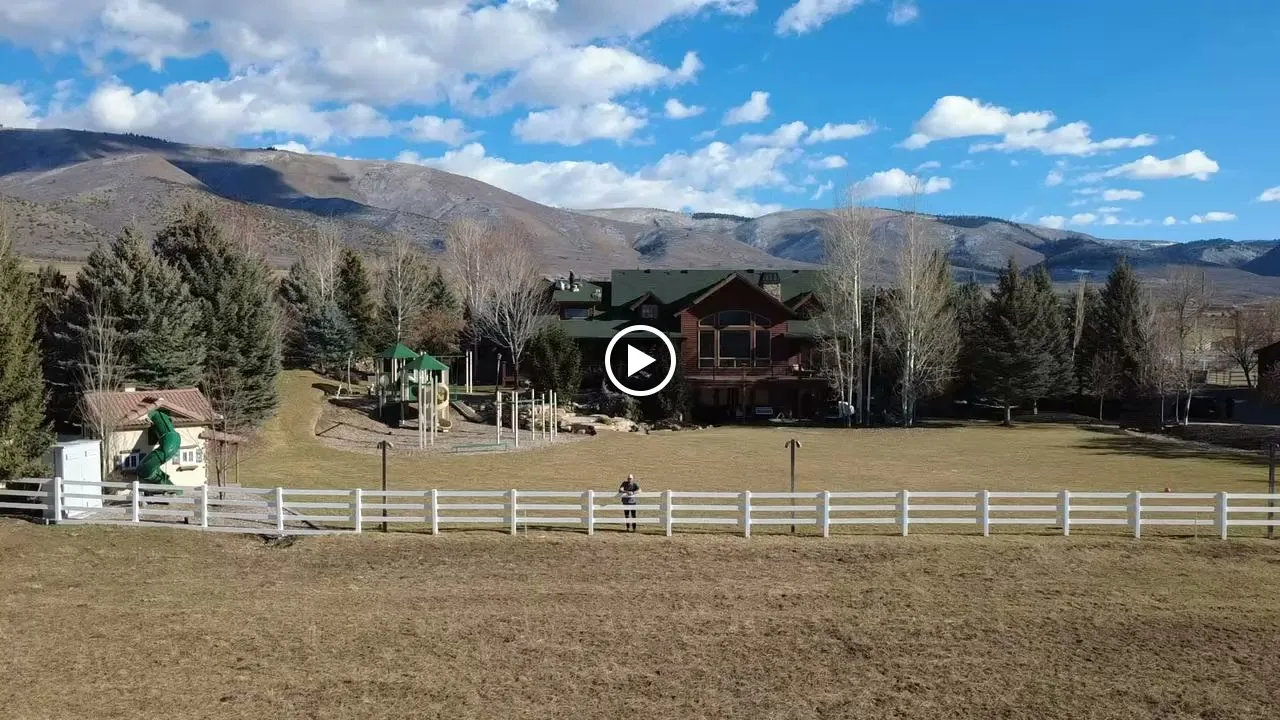
A roof in Heber City works harder in one year than most valley roofs work in three. Between the snow loads of winter, the UV bombardment of summer, the freeze-thaw cycling of spring and fall, and the wind events that sweep through the Heber Valley throughout the year, your roofing system faces demands that require deliberate, seasonal attention.
The good news: most of the maintenance that extends a mountain roof's lifespan is straightforward. The key is knowing what to look for and when to look for it. This season-by-season guide covers the essential maintenance tasks for Heber City homeowners — what you can handle yourself and what warrants a professional.
Spring: Assess Winter's Impact
Spring in Heber City is when winter reveals what it's done. As snow melts and temperatures moderate, this is the most important inspection window of the year. The goal is to identify damage before it compounds through summer heat and next winter's freezing.
Gutter cleanup is the first priority. Heber City gutters accumulate pine needles, aspen debris, and granules shed from aging shingles over the winter. Clogged gutters prevent proper drainage and can cause water to back up against fascia boards — the same mechanism that contributes to ice dam formation the following winter. Flush downspouts completely; debris that settled over winter often forms compacted plugs at elbows and outlet connections.
Visual inspection from the ground should cover the entire roof perimeter. Look for shingles that have lifted, curled, or gone missing — freeze-thaw cycling and wind are the usual causes in Heber City. Check flashing around chimneys, skylights, and vent pipes for any gaps or lifting where ice may have pried materials apart. Examine eaves and soffits for water staining, which indicates ice dam infiltration during winter.
Attic inspection is equally important and often overlooked. With a flashlight, check the underside of the roof deck for any signs of moisture — staining, dark spots, active dripping, or the musty smell of early mold growth. Pay particular attention to areas near ridge vents (where wind-driven snow may have entered) and near bathroom or kitchen exhaust penetrations (where warm moist air may have condensed). Any moisture evidence warrants professional evaluation.
Summer: Protect Against UV and Heat
Summer in Heber City brings the most intense UV exposure your roof will face all year. At 5,600 feet, ultraviolet radiation is 20–25% stronger than at sea level, and the combination of direct sun and clear mountain skies means your roof absorbs more energy per square foot than comparable homes in the Salt Lake Valley.
Ventilation check is the primary summer concern. Walk around the house in the evening — if the upstairs feels disproportionately hot despite air conditioning, your attic ventilation may be undersized. An attic that reaches 150°F or higher on a summer day accelerates shingle aging from the underside, reduces the effectiveness of the adhesive strips that hold shingles in place, and increases cooling costs substantially.
Tree management matters more than most homeowners realize. Branches overhanging the roof trap moisture, deposit organic debris that holds water against shingles, and provide a pathway for wildlife that can damage flashing and vents. In Heber City's pine and aspen environment, maintaining a 6–10 foot clearance between the nearest branch and the roof surface prevents most of these issues. Summer is the best time for trimming — access is easy and tree services are available.
Check seals and caulking around all roof penetrations. Summer heat causes sealants to expand and contract, and mountain UV breaks down silicone and polyurethane faster than at lower elevations. Cracked or separated caulking around vent pipes, exhaust fans, and other penetrations creates entry points for water that will freeze and expand in winter. Replacing degraded sealant in summer is a fifteen-minute task that prevents potentially serious winter infiltration.
Fall: Prepare for the Hardest Season
Fall is preparation season. Winter is when Heber City roofs face their greatest test, and the work you do in September and October determines how well your roof handles what's coming. This is also the last comfortable window for any repairs before cold weather limits options.
Second gutter cleaning is essential. Aspen leaf drop in September and October fills gutters rapidly, and pine needles accumulate year-round. Clean gutters are critical for winter performance — water must drain freely to prevent the pooling and freezing that initiates ice dams. Consider gutter guards if you're spending significant time on this task; in Heber City's forested environment, they pay for themselves in reduced maintenance and improved winter performance.
Professional inspection is most valuable in fall. A qualified roofer can identify issues that need addressing before winter locks them in — loose flashing, worn sealant, damaged shingles, and ventilation deficiencies are all repairable in fall but become emergencies if they fail under snow load. This is also the time to evaluate whether your roof needs attention in the next year, allowing you to plan and budget rather than reacting to a winter emergency.
Insulation and air sealing check rounds out fall preparation. Heat loss through the ceiling is the primary driver of ice dams, and addressing air leaks and insulation gaps before winter is far more effective than trying to manage ice dams after they form. Common leak points include recessed light fixtures, bathroom exhaust fans, attic hatches, and the gaps around plumbing and electrical penetrations through the ceiling plane.
Winter: Monitor and Respond
Winter maintenance in Heber City is primarily about observation and selective intervention. The work you did in fall determines most of your winter outcome — but monitoring is important because conditions can change rapidly.
Watch for ice dams along eaves, especially on south-facing and west-facing roof planes that receive the most sun and experience the greatest temperature swings. Small icicles at the eave are normal. A thick ridge of ice building up along the eave with water pooling behind it is an ice dam that needs attention. If you can safely use a roof rake from the ground to remove the lower 3–4 feet of snow from the eaves, do so — this eliminates the meltwater source without requiring anyone to climb on the roof.
Snow load monitoring is relevant after extended heavy snowfall periods. Most properly engineered Heber City roofs handle normal snow loads without issue, but accumulations from back-to-back storms without melting intervals can approach structural limits. If snow depth on your roof exceeds 3–4 feet of light powder or 2 feet of dense, wet snow, consult a professional about whether removal is warranted. Never attempt to shovel or clear a roof yourself from the surface — the combination of height, snow, ice, and a sloped surface is a serious fall hazard.
Interior monitoring is your early warning system. Check ceilings and walls below the roofline for any new staining, bubbling paint, or dampness — these indicate active infiltration that needs immediate attention regardless of the season. If you notice a specific area that consistently shows moisture after storms, photograph it and note the weather conditions. This information is valuable for diagnosing the source when conditions allow a proper inspection.
Year-Round Maintenance Principles
Beyond the seasonal cycle, a few principles apply throughout the year for mountain homes in Heber City.
Keep debris off the roof. Leaves, pine needles, and branches trap moisture and accelerate material degradation. After significant wind events, a visual check from the ground can identify accumulation that should be cleared.
Don't pressure wash shingles. It seems like it would help, but high-pressure water strips the protective granule layer from asphalt shingles, dramatically reducing their UV resistance and lifespan. If algae or moss growth is a concern, low-pressure treatment with appropriate cleaning solutions is the correct approach.
Document your roof's condition with dated photos at least twice a year. This creates a reference baseline that makes it easier to spot changes over time, and it's valuable documentation if you ever need to file an insurance claim for storm damage.
When Maintenance Isn't Enough
Regular maintenance extends roof life significantly, but every roof eventually reaches the point where maintenance costs approach the value of replacement. If you're finding new issues at every inspection, if repairs are becoming more frequent, or if your roof has reached the age threshold for its material type (20–25 years for shingles, 40+ for metal), a replacement conversation is worth having.
Frame Roofing Utah provides honest assessments of whether your Heber City roof has years of serviceable life remaining or whether a replacement is the more economical path forward. We'd rather tell you to keep maintaining a sound roof than sell you a replacement you don't need — and we'd rather help you plan a proactive replacement than watch a failing roof cause interior damage that doubles the project cost.