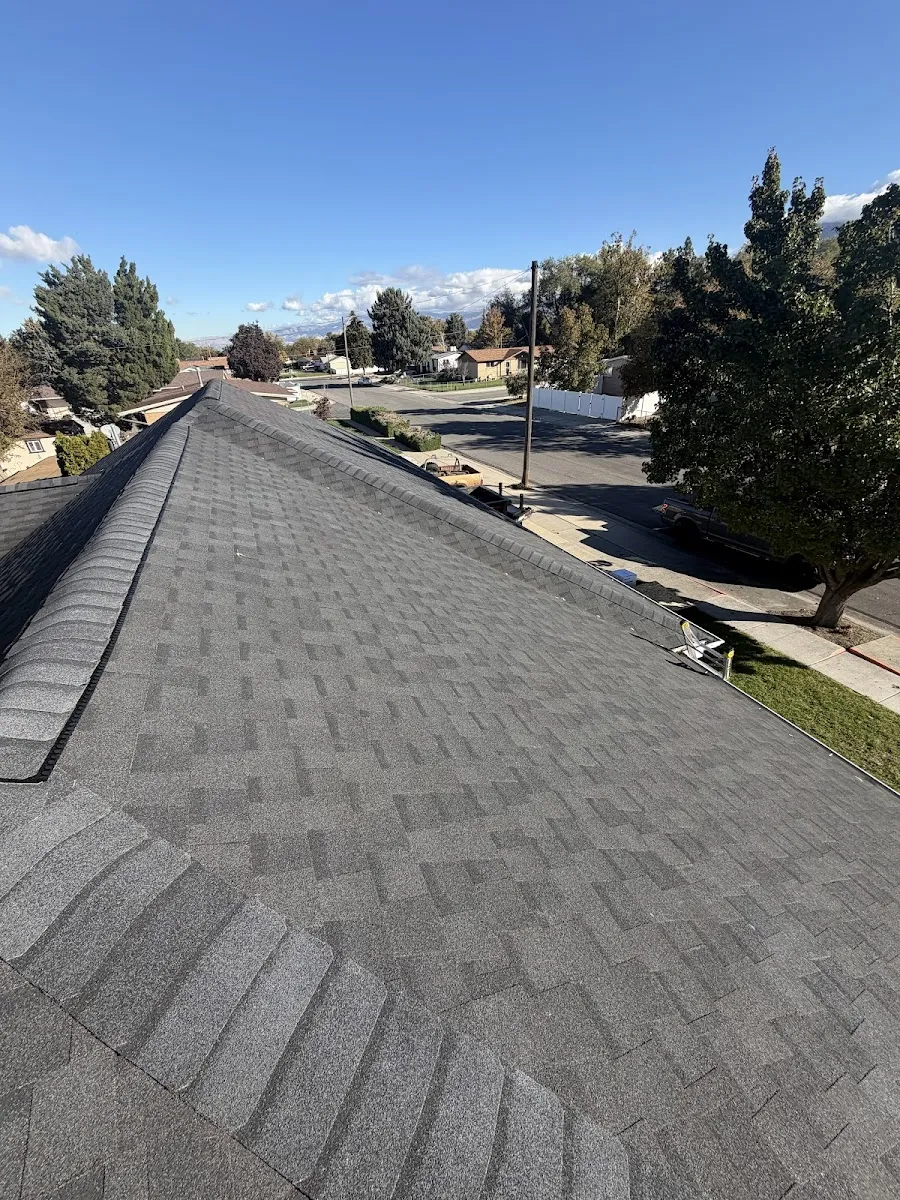
Salt Lake City has some of the most distinctive residential architecture in the state — and some of the oldest roofs. If you own a home in the Avenues built in the early 1900s, a mid-century bungalow in Sugar House, or a Victorian-era property near Liberty Park, your roof has likely been through decades of Wasatch Front weather. At some point, patching and repairs stop making financial sense and a full roof replacement becomes the smart move.
This guide breaks down the signs it's time, what's different about replacing a roof on an older SLC home, and how Frame Roofing Utah handles these projects from inspection to final cleanup.
Common Roof Issues on Older Salt Lake City Homes
The age and style of the home dictate the problems you're most likely to see:
Avenues (1890s–1930s builds)
Many of these homes have steep-pitched roofs with multiple dormers and valleys. Original materials ranged from wood shake to early asphalt. Common issues include deteriorated flashing in complex valleys, ice dam damage from inadequate attic insulation, and layered roofing where previous owners shingled over old materials instead of tearing off. Some homes have been re-roofed two or three times without a tear-off — adding weight the original structure wasn't designed for.
Sugar House (1920s–1960s builds)
This neighborhood's bungalows and ramblers typically have lower-pitch roofs. Decades of UV exposure on south-facing slopes accelerates granule loss. Many Sugar House homes also have original galvanized steel flashing that has corroded, causing slow leaks at walls and chimneys that go unnoticed until interior damage appears.
Liberty Park / 9th & 9th (1900s–1940s builds)
Similar age to the Avenues but often with flat or low-slope rear additions. These hybrid roof profiles — pitched in front, flat in back — create tricky drainage transitions. Flat sections with aging rolled roofing or modified bitumen are frequent leak sources.
Federal Heights / University area (1940s–1970s)
Slightly newer stock, but many roofs are now 30–50 years old. Homes in this area frequently have original clay or concrete tile that cracks over time. Replacing tile requires different underlayment and fastening approaches than standard shingle work.
General aging signs across all SLC neighborhoods:
- Curling or buckling shingles
- Bare spots where granules have worn away
- Daylight visible through the roof deck from the attic
- Sagging ridgeline or roof planes
- Moss or algae growth (common on north-facing slopes in the Avenues)
What to Check Before Committing to a Replacement
Before you sign with any contractor, get clarity on these SLC-specific items:
- Historic district rules — Parts of the Avenues and South Temple fall within Salt Lake City's historic preservation overlay zones. If your home is in a local or national historic district, exterior changes — including roofing material and color — may require Historic Landmark Commission approval. Check with SLC Planning Division before selecting materials.
- Number of existing layers — Utah building code allows a maximum of two layers of asphalt shingles. If your roof already has two layers, a full tear-off is mandatory. On older Avenues homes, we sometimes find three layers that were grandfathered in decades ago — all of that comes off.
- Structural inspection — Homes built before 1950 may have undersized rafters by modern standards. Before adding heavy architectural shingles (which weigh more than the 3-tab shingles common on older homes), a contractor should verify the structure can handle the load. Frame Roofing Utah includes a structural assessment as part of our inspection on any home built before 1960.
- Attic ventilation and insulation — Many older SLC homes have minimal or no soffit venting. Replacing the roof without addressing ventilation is a recipe for ice dams in winter and premature shingle aging in summer. Budget for ventilation upgrades as part of the project.
- Permits — Salt Lake City requires a building permit for any full roof replacement. Your contractor should pull this. If a company tells you permits aren't needed, walk away.
When to Repair vs. Replace
Repair makes sense when:
- Damage is limited to one slope or a small section
- The roof is under 15 years old and the rest is in solid shape
- You have a single storm-damage event on an otherwise healthy roof (often covered by insurance)
Replace when:
- The roof is 25+ years old on asphalt, 40+ on tile
- You're seeing problems on multiple slopes
- You've repaired the same areas more than once in 3 years
- There are two existing shingle layers — if anything goes wrong, tear-off is mandatory anyway
- You're planning to sell — a new roof in Salt Lake City adds significant resale value, especially in competitive neighborhoods like Sugar House and 9th & 9th where buyers are paying close attention to condition
How Frame Roofing Utah Handles Older-Home Roof Replacement in SLC
- Thorough inspection + structural check — We inspect every plane, valley, and penetration. On pre-1960 homes, we check rafter sizing and decking condition. You get a written report with photos before any work begins.
- Historic compliance (if applicable) — If your home is in a historic overlay zone, we help you select materials and colors that meet commission requirements while still giving you modern performance. We've completed projects in the Avenues historic district and know the approval process.
- Full tear-off to the deck — On older SLC homes we always tear off to the deck. No exceptions. This lets us inspect and replace any rotted decking, upgrade flashing at valleys and walls, and install proper ice-and-water shield in critical areas.
- Ventilation and insulation assessment — We identify ventilation gaps and recommend upgrades. Proper ridge-and-soffit airflow prevents the ice dams that plague Avenues and Federal Heights homes every January and February.
- Insurance coordination — If storm damage is part of the reason you need a replacement, we handle the insurance claim process. We document existing damage versus storm damage so your adjuster has a clear picture.
- Clean jobsite — Older SLC neighborhoods have narrow driveways, mature landscaping, and close neighbors. We protect landscaping with tarps, use dump trailers instead of parking dumpsters on the street when possible, and run magnetic nail sweeps across the entire property.
My Avenues home is in the historic district. Can I still use modern shingles?
In most cases, yes. The Historic Landmark Commission typically requires that the new material match the general appearance (profile, color, texture) of the original or the neighborhood context. Architectural shingles that mimic wood shake are a common approved option. We'll help you navigate the application.
How much does a full roof replacement cost on an older Salt Lake City home?
For a typical 1,800–2,400 sq ft older home, expect $12,000–$22,000 depending on roof complexity (steep pitch, multiple dormers, and valleys cost more), material choice, and whether structural or ventilation work is needed. If storm damage is involved, insurance often covers most of the replacement cost. We provide free estimates with no obligation.
Will a new roof fix my ice dam problem?
A new roof alone won't fix ice dams — they're caused by heat escaping through the attic and melting snow unevenly. However, during replacement we install ice-and-water shield membrane along eaves and in valleys, and we can add or improve ventilation. Together, these significantly reduce ice dam risk.
How long does a replacement take on an older home?
Most residential replacements take 2–4 days. Older homes with steep pitches, multiple layers to tear off, or decking repairs can take 4–5 days. We'll give you a timeline before we start and keep you updated daily.
Do I need to be home during the replacement?
No, but we recommend being available by phone. We'll need access to the exterior and we may need to discuss unexpected findings (rotted decking, hidden layers) as they come up.