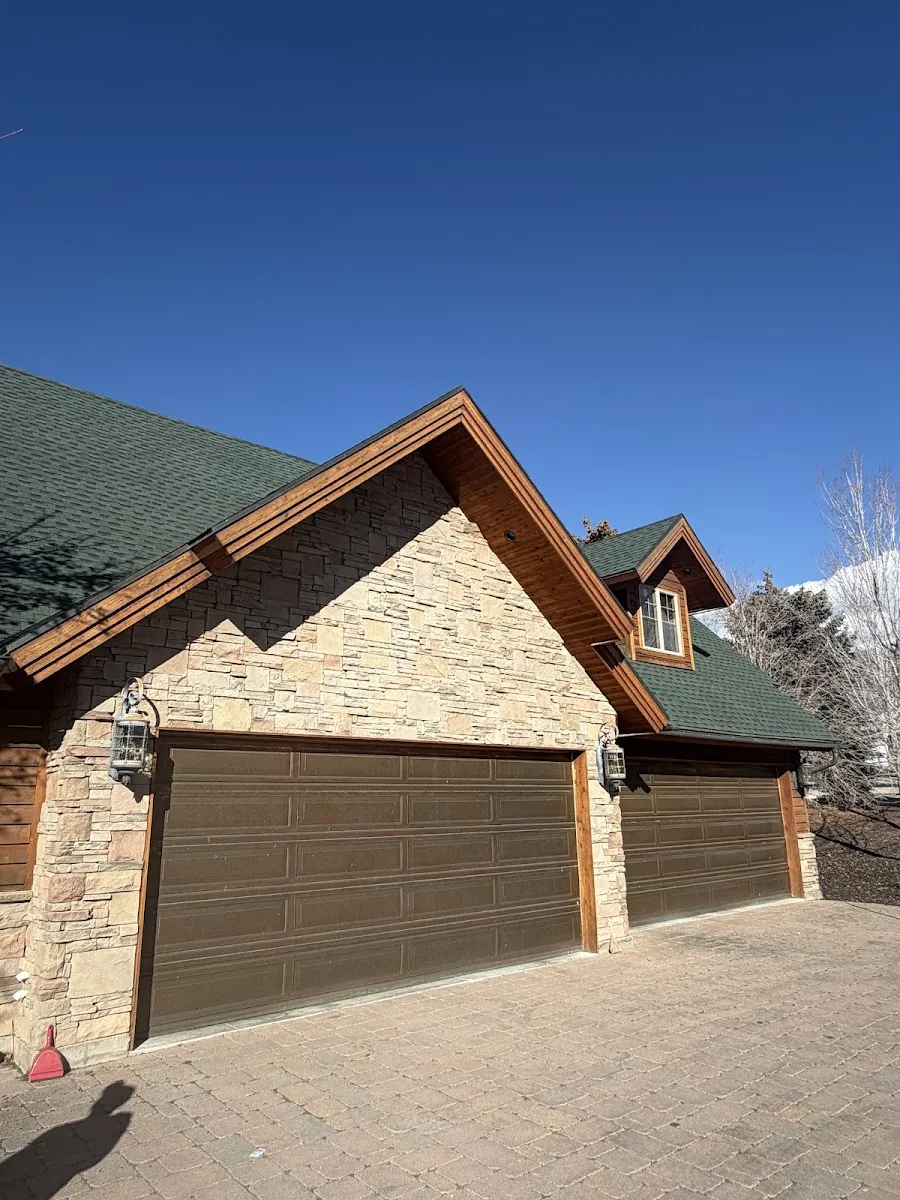
West Jordan sits on the valley floor between the Oquirrh Mountains and the Wasatch Range, a corridor that funnels spring and summer storms with intensity that tests every roof in their path. Wind-driven rain hits at angles that exploit weak points — and the specific weak points depend largely on when your home was built.
What makes West Jordan distinctive from a roofing perspective is its housing diversity. The city spans decades of residential construction, from 1980s neighborhoods along the Redwood corridor to brand-new developments near the Mountain View Corridor. Each era of construction brings its own materials, building practices, and characteristic failure patterns. Understanding which vulnerabilities apply to your home is the first step toward protecting your investment.
Leak Vulnerabilities by Home Age
One of the most useful things a homeowner can know is that roof leaks have different root causes depending on the age and construction style of the home. In West Jordan, the housing stock falls into three broad categories, each with its own pattern.
Homes Built in the 1980s & 1990s
The established neighborhoods east of Redwood Road include many homes now approaching or exceeding forty years of age. At this stage, the original roofing materials are well past their design life, and several specific failure points become common.
Pipe-boot flashing deterioration is the single most frequent leak source in this age group. The rubber boots that seal around plumbing vents crack and separate after fifteen to twenty years of UV exposure. They often look acceptable from ground level, but the rubber collar has lost its seal against the pipe — allowing water to channel directly into the interior along the vent.
Valley flashing corrosion is another hallmark of this era. Homes with cross-gable roof designs rely on metal flashing in the valleys where two roof planes meet. After twenty-five or more years, galvanized flashing corrodes, shifts, or develops pinholes that allow wind-driven rain to penetrate beneath the shingle courses.
Nail pops from thermal cycling affect homes of every age in Utah, but decades of expansion and contraction cause nails to gradually back out of the decking. Each popped nail creates a small but persistent entry point for moisture.
Homes Built in the 2000s & 2010s
The Jordan Landing area and surrounding developments represent a significant portion of West Jordan's mid-era housing stock. Many of these homes were built with builder-grade materials — twenty-five-year three-tab shingles and minimum-specification flashing — that are now approaching or reaching the end of their intended service life.
Step flashing at sidewall transitions is a particularly common failure point in this era. Where the roof meets a vertical wall (typical in two-story designs), step flashing was often sealed with caulk rather than properly integrated into the wall assembly. As caulk dries and shrinks over time, gaps open that allow water to wick behind the wall surface during heavy rain.
Material aging ahead of expectations is the broader pattern. Homeowners in this group are sometimes surprised by leaks because they expect another decade of service from their roof. The reality is that builder-grade materials in Utah's climate often underperform their rated lifespan, particularly on south- and west-facing slopes that absorb the most UV and weather exposure.
New Construction (Built After 2018)
West Jordan's western developments near the Mountain View Corridor include homes that are only a few years old — and yes, new homes can and do leak. The causes are almost always different from older homes.
Settling-related shifts are the primary factor. New homes settle for the first two to three years after construction, and that movement can shift flashing, crack caulk seals, and open small gaps at roof-to-wall transitions that weren't present when the home was finished.
Roof penetration seal quality varies with construction pace. When builders are moving quickly through a development, detail work at skylights, vents, and other penetrations sometimes receives less attention than it should. The first significant rainstorm becomes the quality test.
What causes most roof leaks in West Jordan homes?
The cause depends heavily on your home's age. In homes built during the 1980s and 1990s, deteriorated pipe-boot flashings and corroded valley flashing are the most common sources. Homes from the 2000s and 2010s often develop leaks where builder-grade materials have reached end-of-life or where step flashing at sidewalls has failed. In newer construction, settling-related flashing shifts and improperly sealed roof penetrations are the primary culprits.
Why Roof Leaks Are Deceptive
One of the most important things to understand about roof leaks is that the visible symptom and the actual source are rarely in the same location. Water that enters through a failed flashing or lifted shingle at one point on the roof can travel along rafters, sheathing, or insulation for several feet — sometimes ten feet or more — before it finally collects enough mass to drip through a ceiling below.
This is why a water stain on an interior ceiling doesn't necessarily mean the roof directly above that stain is the problem. It also explains why applying sealant from inside the attic at the drip point rarely resolves the issue — you've addressed where the water ends up, not where it gets in.
Professional assessment matters precisely because of this deceptive quality. An experienced inspector traces the moisture path from the visible stain back to its actual entry point, which often reveals a completely different repair than what a homeowner would have attempted on their own.
How can I tell if a water stain means I need roof repair?
Any water stain on a ceiling or wall indicates that moisture entered through the roof at some point, and the entry path likely still exists. Even if the stain appears dry, the underlying vulnerability remains. A professional assessment can trace the stain back to its source and determine whether a targeted repair or broader evaluation is warranted.
When to Seek Professional Assessment
Some roof-related maintenance is well within a homeowner's capability: clearing debris from gutters, trimming branches that overhang the roof surface, or monitoring for visible changes after weather events. These are smart habits that extend the life of any roof system.
Professional assessment becomes particularly valuable in several situations. When water stains appear on interior surfaces, tracing the source requires roof-level inspection and an understanding of how water migrates through roof assemblies. When a roof is approaching or past the fifteen-year mark, a single leak often signals broader material fatigue that warrants a comprehensive evaluation. When you notice flashing lifting, shingles curling, or granule loss in your gutters, these are signs of systemic aging rather than isolated incidents.
For newer homes experiencing leaks, professional inspection serves a dual purpose: identifying the specific failure and providing documentation that can be used in warranty discussions with the builder. An independent report carries weight that verbal descriptions alone cannot match.
Can a brand-new West Jordan home develop roof leaks?
Yes. New-construction leaks in West Jordan's western developments are almost always related to flashing details or seal work at roof penetrations rather than the shingles themselves. As homes settle during their first two to three years, small gaps can open at roof-to-wall transitions and around penetrations. An independent professional inspection identifies these issues and provides documentation if warranty coverage applies.
What a Thorough Repair Process Looks Like
The difference between a repair that lasts and one that becomes a recurring problem usually comes down to how thoroughly the source was identified and how precisely the fix was executed. Here's what a quality-focused approach involves:
Comprehensive source identification. Rather than treating the visible symptom, a proper inspection traces the moisture path from the interior stain back to its actual entry point on the roof. This often reveals issues that wouldn't have been found by examining only the area directly above the stain.
Full-scope documentation. Detailed photography and a written report give you a complete picture of what was found, what needs attention now, and what can be monitored over time. This documentation is yours to keep regardless of what you decide to do.
Repair tailored to the root cause. A cracked pipe boot needs a properly seated replacement. Failed valley flashing needs to be removed and replaced with material that matches the roof's remaining service life. Step flashing at sidewalls needs to be integrated into the wall assembly, not just caulked over. Each failure type has a correct repair method, and shortcuts at this stage become expensive later.
Materials selected for the environment. West Jordan's climate — with its temperature extremes, wind-driven rain, and UV exposure — demands materials rated for these conditions. Using the right product in the right application is where craftsmanship becomes the determining factor in how long the repair holds.
Building Long-Term Roof Resilience
Whether your West Jordan home is forty years old or four, the principle is the same: proactive attention to your roof system costs far less than reactive repair after water has penetrated the interior.
Know your roof's age and material type. Understanding where your roof falls in its expected service life helps you anticipate when professional evaluation makes sense — before a leak forces the conversation.
Watch for early warning signs. Granule accumulation in gutters, shingles that appear to be curling or lifting, daylight visible in the attic, and any discoloration on interior ceilings or walls are all signals worth investigating before the next storm season.
Invest in quality when repair or replacement is needed. The cost difference between builder-grade materials and premium options is modest relative to the total investment. Choosing materials rated for Utah's specific demands, installed by crews who understand flashing details and penetration seals, is the most effective way to protect your home's value over the long term.
Frame Roofing Utah's Approach in West Jordan
We serve West Jordan homeowners across every era of the city's housing stock, from the established east-side neighborhoods to the newest western developments. Our approach starts with understanding your home's specific construction — because the right diagnosis depends on knowing what to look for in each type of build.
Every inspection begins with a detailed roof walk, not a driveway glance. We document conditions thoroughly, trace any moisture paths to their source, and present our findings in a clear written report. From there, the conversation is straightforward: here's what we found, here's what we recommend, and here's what it will cost. No inflated urgency, no pressure to make decisions before you're ready.
When repair or replacement is the right move, our crews execute with precision — proper flashing integration, materials matched to the application, and workmanship backed by written warranties. We follow up after significant weather to confirm everything is performing as intended, because accountability is how trust gets built.