Sandy's east-bench neighborhoods sit at a distinctive intersection of elevation and exposure. The foothills rising toward the Wasatch Range bring heavier snowpack than the valley floor, while the proximity to Little Cottonwood and Big Cottonwood canyons funnels storm energy directly across residential ridgelines. For homeowners who've invested in their property, understanding how these conditions interact with your roof system is the first step toward long-term protection.
This guide explores the most common roof leak causes specific to Sandy's geography, how to distinguish minor maintenance items from issues that warrant professional attention, and what a quality-focused repair or restoration process actually looks like.
Why Sandy Roofs Face Distinct Challenges
Sandy's position along the Wasatch Front creates a microclimate that's measurably different from communities just a few miles west. The higher elevation translates to greater annual snowfall, and the terrain channels storm cells in ways that concentrate their impact on east-bench neighborhoods. Three factors stand out for homeowners thinking about roof longevity:
Heavier snow accumulation. Compared to the valley floor, Sandy's bench neighborhoods receive noticeably more snow each winter. That additional weight stresses aging shingles, underlayment, and the fastening systems that hold everything together. Roofs designed for lighter loads may show signs of fatigue years before their expected lifespan.
Aggressive freeze-thaw cycling. Winter temperatures in Sandy can swing from above freezing during sunny afternoons to well below freezing overnight. This daily pattern melts snowpack on south-facing slopes during the day, then refreezes that moisture at the roof edges after dark — the exact mechanism that creates ice dams and forces water beneath shingle courses.
Concentrated storm exposure. Summer convective storms intensify as they meet the Wasatch foothills, delivering hail and high winds that hit Sandy's elevated neighborhoods with particular force. This isn't speculation; Sandy consistently appears on Utah's hail-event tracking data.
The Most Common Leak Sources in Sandy Homes
Deteriorated Pipe-Boot Flashings
The rubber boots that seal around plumbing vents are one of the most overlooked components on any roof. After eight to twelve years of UV exposure, these boots crack and separate, allowing water to channel directly into the interior along the vent pipe. Because the leak point is small and often hidden, it can cause significant damage before anyone notices a ceiling stain. This is also one of the most straightforward repairs when caught early — a quality replacement boot, properly seated and sealed, resolves the issue completely.
Wind-Lifted or Missing Shingles
High winds peel back asphalt shingles, particularly on older three-tab installations and south- or west-facing slopes that take the brunt of prevailing weather. A single lifted shingle may seem minor, but the exposed underlayment beneath it degrades rapidly under UV and moisture, widening the vulnerability with each passing storm.
Ice Dam Formation Along Eaves
Homes with insufficient attic insulation or blocked soffit ventilation are especially susceptible. When warm air from the living space rises into the attic, it melts snow on the upper portions of the roof. That meltwater runs down to the colder eaves, refreezes into a dam, and backs water up under the shingle courses. The resulting leaks often appear along exterior walls or at ceiling edges — locations that can seem puzzling until the underlying mechanism is understood.
Chimney and Skylight Seal Failures
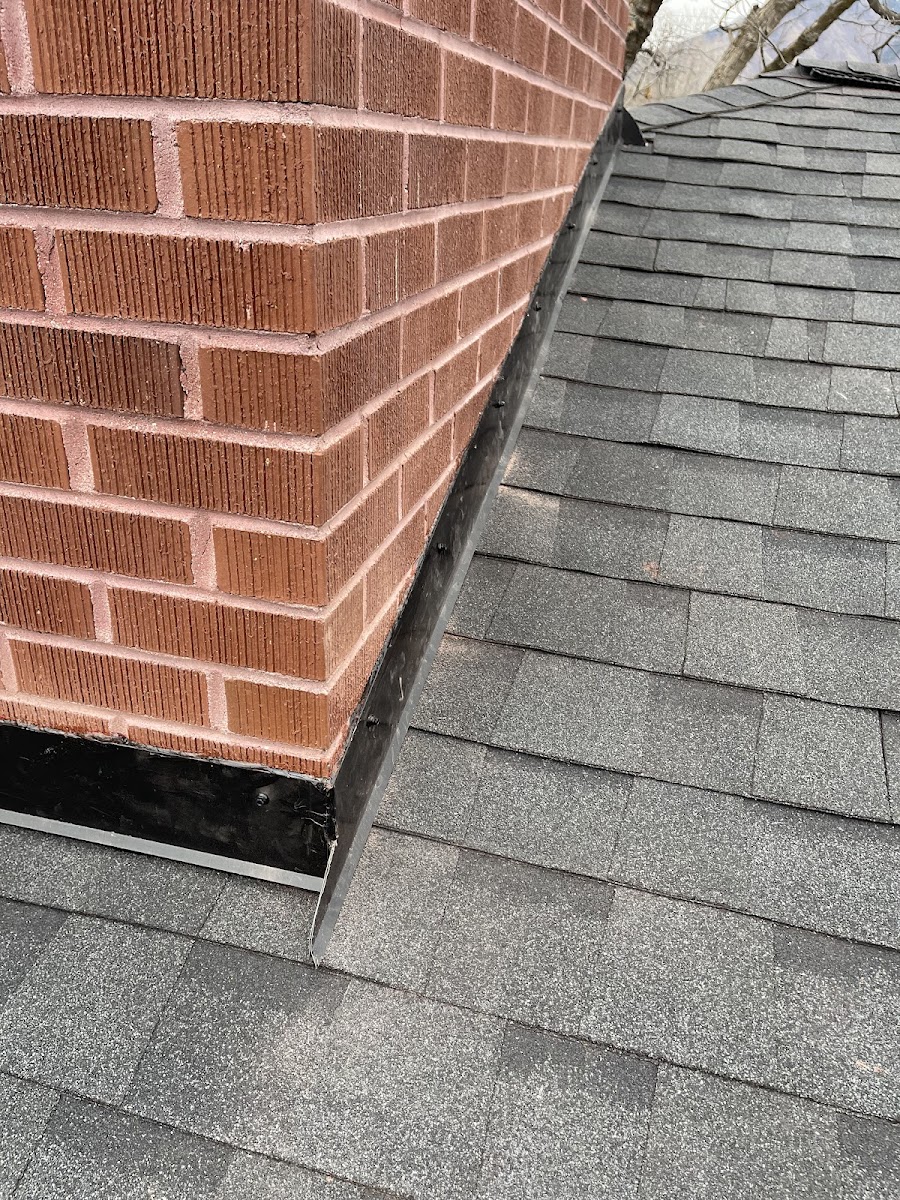
Masonry chimneys expand and contract with temperature swings, gradually pulling counter-flashing away from mortar joints. Skylight curb seals face the same thermal stress compounded by UV degradation. Both represent penetrations in the roof surface that require precision sealing, and both tend to fail gradually rather than all at once.
Valley and Ridge-Cap Deterioration
Roof valleys concentrate water flow during every rain and snowmelt event, making them high-wear areas by design. Ridge caps absorb direct wind and hail impact at the roof's highest point. In older homes where valleys were hand-cut rather than woven or closed-cut, the material in these critical junctions wears faster and offers less protection as it ages.
What causes most roof leaks in Sandy, Utah?
Sandy's east-bench elevation brings heavier snowpack, aggressive freeze-thaw cycling, and direct exposure to Wasatch storm cells. The most common leak sources include deteriorated pipe-boot flashings, ice dam formation along eaves, wind-lifted shingles, and failed chimney or skylight seals. Each source requires a different repair approach, which is why a thorough professional assessment matters before any work begins.
When Professional Assessment Makes the Difference
Some roof maintenance is straightforward — clearing debris from gutters, trimming branches that overhang the roof surface, or replacing a bead of sealant around a vent pipe. These are reasonable tasks for a homeowner who's comfortable on a ladder and attentive to safety.
But roof leaks have a deceptive quality: the visible symptom and the actual source are often in very different locations. Water that enters through a failed flashing at the ridge can travel along rafters, sheathing, or insulation for several feet before it finally drips through a ceiling below. Addressing the stain without tracing the path to its origin means the underlying problem continues to grow.
Professional assessment is particularly valuable when you notice water stains appearing on interior ceilings or walls, when ice dams have formed along your eaves during winter, when flashing around chimneys or skylights appears to be lifting or separating, or when multiple shingles across a section of roof show signs of wear or displacement. In each of these scenarios, what's visible from the ground rarely tells the full story.
How can I tell if my roof needs repair or full replacement?
Minor issues like a single cracked pipe boot or a few displaced shingles typically call for targeted repair. Signs that a broader evaluation is warranted include multiple interior water stains, granule loss across large sections of shingle, sagging or soft decking, or a roof system that has passed the twenty-year mark. A professional assessment reveals what's happening beneath the surface and helps you make the most cost-effective decision for the long term.
What a Quality Roof Repair Process Looks Like
Not all repair approaches are equal, and the difference between a temporary patch and a lasting solution often comes down to thoroughness at the assessment stage. Here's what we believe a proper process should include:
Comprehensive inspection. A qualified inspector walks every section of the roof, documenting conditions with detailed photography. The goal isn't just to find the obvious problem — it's to identify anything else that may be developing, so you have a complete picture before making decisions.
Clear, honest scope of work. A written report should spell out exactly what was found, what needs attention now, what can be monitored, and what the associated costs look like. No surprises, no pressure, no inflated urgency.
Materials matched to the environment. Sandy's climate demands materials rated for significant temperature variation, heavy snow loads, and high UV exposure. Using the right product in the right application is where craftsmanship meets science — and where shortcuts become expensive down the road.
Workmanship you can verify. Quality contractors stand behind their work with written warranties and follow up after the first significant weather event to confirm everything is performing as intended. This kind of accountability distinguishes professionals who are building a reputation from those who are chasing transactions.
Seasonal Roof Care for Sandy Homeowners
Fall. Clear gutters and downspouts before the first snow. Inspect flashings around all penetrations — chimneys, vents, skylights. Trim tree branches within six feet of the roof surface, paying special attention to mature trees that may drop heavy limbs during early-season storms.
Winter. Watch for icicle buildup along eaves, which signals ice dams forming beneath the surface. If water stains appear on ceilings during or immediately after a thaw, take note of the location and contact a professional — catching ice-dam damage early prevents it from compounding through the rest of the season.
Spring. Schedule a post-winter inspection. March and April storms are common in Sandy and often leave damage that isn't visible from the ground. This is the ideal window to address winter wear before summer heat accelerates any deterioration that's already underway.
Summer. UV exposure degrades sealants and rubber components faster than most homeowners realize, particularly at Sandy's elevation. For roofs approaching the fifteen-to-twenty-year mark, a summer check can identify aging components before fall storms exploit the weakness.
Frame Restoration's Approach to Sandy Roof Repair
We work in Sandy because we understand the specific demands this geography places on residential roofing. Our approach starts with thorough assessment — not a quick glance from the driveway, but a detailed roof walk with documentation you can review and keep.
From there, we focus on honest guidance. Sometimes a targeted repair is all that's needed. Sometimes the scope of deterioration means a broader conversation about long-term options makes more sense. We present what we find, explain the tradeoffs, and let you decide what's right for your home and your timeline.
Every repair we perform uses materials selected for Sandy's climate conditions, installed by crews who specialize in residential roofing and understand how to execute flashing details, valley work, and penetration seals at the level of precision that prevents callbacks. We stand behind our work with written warranties — and we follow up after the weather tests it.