Spring Roof Inspection Checklist for Utah Homeowners
Your roof survived another Utah winter. Here's how to make sure it's ready for hail season.
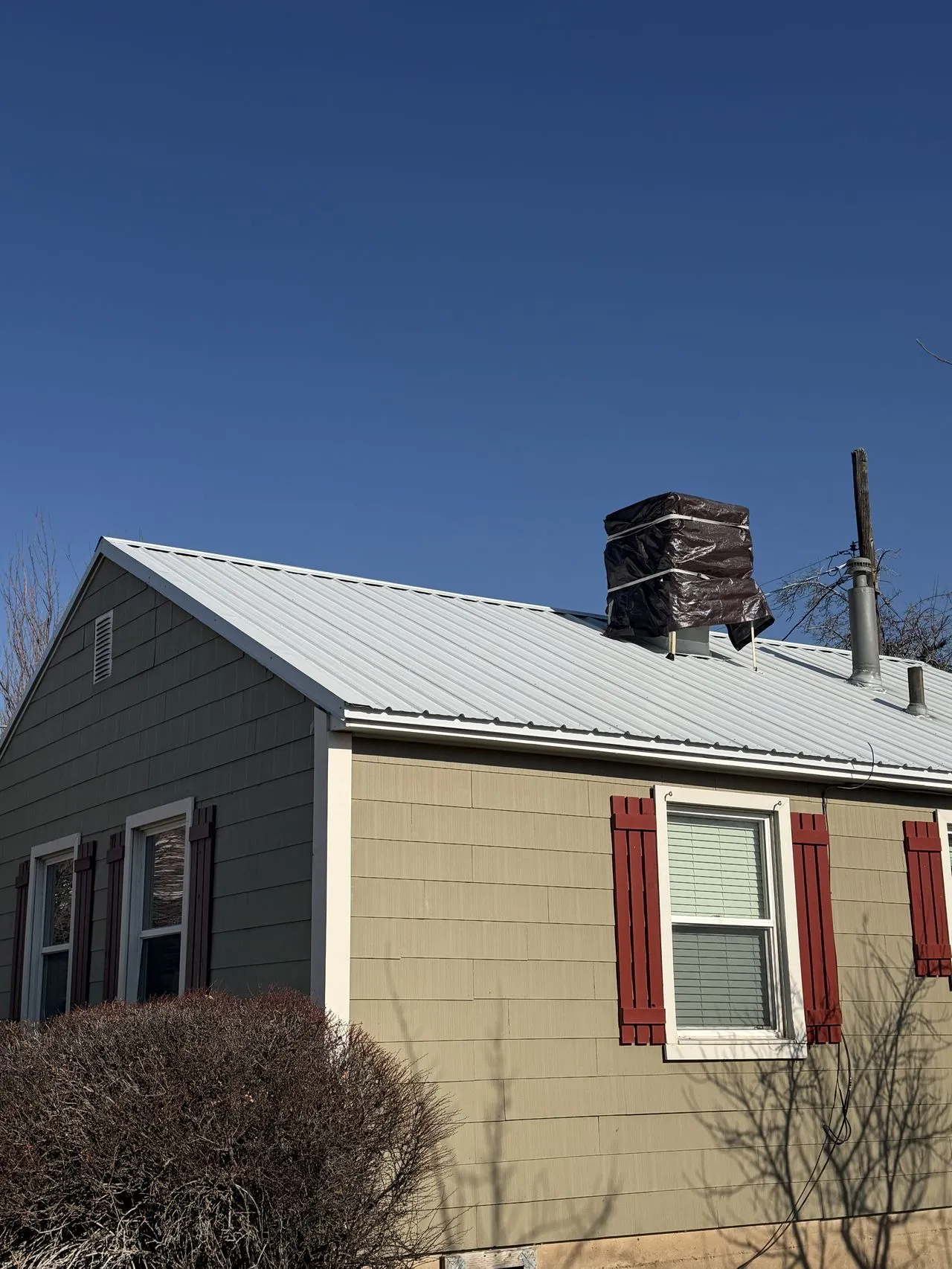
Every Utah winter puts your roof through a gauntlet — heavy snow loads, ice dams, freeze-thaw cycles that can crack shingles and break flashing seals, and UV exposure that's 25% more intense at our elevation than at sea level. By the time April rolls around, your roof has taken a beating you can't always see from the ground.
The window between snowmelt and hail season (May through August) is your best opportunity to catch damage early. A thorough spring inspection can mean the difference between a $300 repair now and a $12,000 emergency replacement after the first summer storm. I've seen this play out dozens of times with homeowners across Salt Lake City, Heber City, and the surrounding communities.
Here's the checklist I use on every spring inspection — and what you can check yourself before calling a professional.
The 8-Point Spring Roof Inspection Checklist
1. Ground-Level Walk-Around
Start on the ground. Walk the full perimeter of your home and look up at the roofline from every angle. You're looking for: sagging or uneven sections (indicates structural stress from snow load), missing or displaced shingles, debris accumulation in valleys or behind chimneys, and any visible daylight gaps at flashing points. In Park City and mountain communities, heavy snow loads can cause subtle sagging that's only visible from the ground.
2. Shingle Condition Check
Using binoculars from the ground (or carefully from a ladder at the eave line), examine your shingles. Utah's freeze-thaw cycles cause a specific pattern of damage: look for cracking along the shingle tabs, curling at the edges, and dark patches where granules have worn off. Granule loss exposes the asphalt mat underneath to UV radiation, which accelerates aging dramatically at Utah's elevation. If you see bare black patches on more than 10% of your visible roof, it's time for a professional assessment.
3. Flashing Inspection
Flashing — the metal pieces around chimneys, vents, skylights, and where the roof meets walls — is the most common failure point after a Utah winter. Freeze-thaw cycles pull sealant away from the metal, creating gaps where water enters. Look for rust, bent or lifted edges, and gaps between the flashing and the roof surface. This is especially critical on homes in Sandy and the south valley where temperature swings between day and night are extreme.
4. Gutters and Downspouts
Clear all debris from gutters — Utah's cottonwood trees and mountain winds deposit a surprising amount of material over winter. While cleaning, look for shingle granules in the gutter troughs. A small amount is normal, but heavy granule accumulation means your shingles are deteriorating faster than expected. Make sure downspouts are directing water at least 4 feet away from your foundation. Clogged gutters cause ice dams the following winter, creating a damage cycle.
5. Roof Valleys
Valleys — where two roof planes meet — channel the most water and take the most abuse from ice dams. In Utah, ice dams form when heat escapes through the roof, melts snow from below, and the meltwater refreezes at the eave. This process hammers valley areas hardest. Check for displaced, cracked, or missing shingles along all valley lines. If you had visible ice dams this winter, there's a high probability of hidden damage underneath.
6. Ventilation and Soffits
Proper attic ventilation is your roof's best defense against ice dams and premature aging. Check that soffit vents aren't blocked by insulation, debris, or paint. Look at ridge vents for damage or blockage. A well-ventilated attic keeps the roof deck temperature even, which prevents the freeze-melt-refreeze cycle that causes ice dams. Homes in Provo and Utah Valley are especially susceptible because of the temperature inversions that trap cold air against the valley floor while rooftops bake in direct sun.
7. Attic Interior Inspection
Go into your attic with a flashlight. Look for: water stains on the underside of the roof deck or rafters, daylight peeking through (even pinpoints indicate a penetration), mold or mildew on wood surfaces, and compressed or wet insulation. Check around all penetrations — plumbing vents, electrical conduit, and chimney chases. Any moisture evidence means water is getting in and needs to be traced to its source before hail season compounds the problem.
8. Pipe Boots and Rubber Seals
Every plumbing vent that exits through your roof has a rubber boot seal around it. Utah's intense UV exposure and temperature extremes crack these rubber boots faster than in lower-elevation states — typically every 8-12 years instead of the 15-20 years manufacturers suggest. A cracked pipe boot is one of the most common (and most overlooked) causes of roof leaks in Utah homes. If your roof is more than 8 years old, there's a good chance at least one boot needs replacement.
When to Call a Professional
A ground-level and attic inspection covers the basics, but there are situations where you need a licensed roofer on the roof:
- You see damage but can't determine the extent. A missing shingle might be an isolated issue or a sign of widespread adhesive failure. A professional can assess the full scope.
- Your roof is more than 15 years old. Aging roofs develop problems that aren't visible from the ground — micro-fractures, underlayment deterioration, and fastener corrosion.
- You had ice dams this winter. Ice dam damage is almost always worse than it looks. Water that backed up under shingles may have saturated the deck in areas you can't see from the attic.
- You're planning to sell. A professional inspection report gives buyers confidence and can prevent last-minute price negotiations over roof condition.
- You want documentation for insurance. If you file a hail damage claim later this summer, having a documented pre-storm condition report strengthens your claim significantly.
What a Professional Spring Inspection Includes
When Frame Roofing Utah does a spring inspection, we go beyond what you can see from the ground. Our inspections include: a full roof walk to check every shingle, flashing point, and penetration up close; thermal imaging to detect moisture trapped in the roof deck; measurement of remaining granule depth on shingles; documentation with photos and a written condition report; and an honest assessment of remaining roof life.
We offer free inspections across all our service areas — there's no cost and no obligation. If we find damage, we'll give you a written estimate. If your roof looks good, we'll tell you that too.
Why April Is the Best Time in Utah
Timing matters. Utah's hail season runs May through August, with the highest frequency of damaging storms in June and July. If your roof has existing vulnerabilities from winter damage — cracked shingles, compromised flashing, deteriorated pipe boots — hail will find those weak points and turn minor issues into major failures. Getting ahead of hail season with a spring inspection is the single highest-ROI maintenance step you can take as a Utah homeowner.
Related Articles

Landon Yokers
Owner & Licensed Contractor — Frame Roofing Utah
Landon Yokers is the owner of Frame Roofing Utah, a BBB A+ accredited roofing contractor serving the Wasatch Front and mountain communities. Licensed by the Utah Division of Professional Licensing (DOPL #14256097-5501), Landon has hands-on experience with every roofing challenge Utah's climate delivers — from Heber Valley snow loads to south valley hailstorms. He personally oversees every project and stands behind Frame Roofing Utah's 10-year workmanship warranty.
Roofing Services Near You
Schedule your free spring roof inspection in any of these communities:
Schedule Your Free Spring Roof Inspection
Utah's hail season starts in May. Get ahead of it with a free professional inspection.
Book Free Inspection Call 435-292-8802