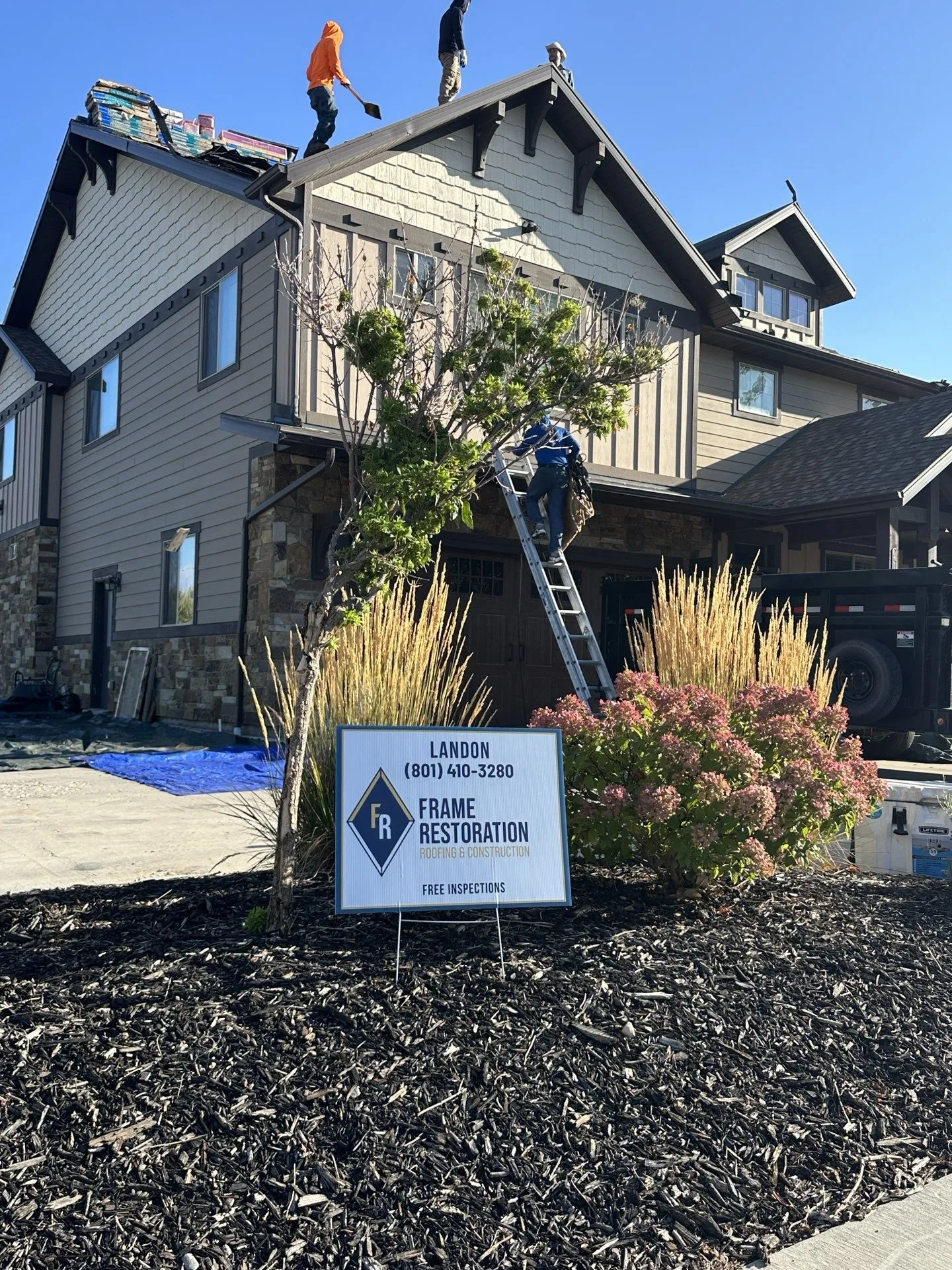
Utah's climate is uniquely hard on roofing systems. The combination of intense UV radiation at elevation, dramatic temperature swings (over 60 degrees in a single day along the Wasatch Front), heavy snow loads, freeze-thaw cycling, and seasonal hailstorms means roofs in Utah age faster than national averages. According to the National Roofing Contractors Association (NRCA), asphalt shingle roofs typically last 20-30 years nationally, but Utah homeowners often see the lower end of that range without proper ventilation and material selection.
Knowing when your roof needs replacement versus repair can save thousands of dollars in water damage, energy costs, and emergency fixes. Here are the 10 most common warning signs Utah homeowners should watch for.
1. Your Roof Is 20+ Years Old
Age is the single most reliable predictor of roof failure. If your roof was installed more than 20 years ago with standard three-tab shingles, it is approaching or past its expected lifespan in Utah's climate. Architectural shingles last longer (25-30 years), but even premium materials degrade faster at Utah's elevations due to UV intensity that increases approximately 4-5% for every 1,000 feet of elevation gain. A home at 5,000 feet in Sandy receives significantly more UV radiation than one at sea level.
2. Shingles Are Curling or Buckling
Curling shingles — where the edges turn upward or the middle bubbles — indicate moisture damage or poor ventilation in the attic space. In Utah, this is often caused by inadequate attic ventilation combined with extreme temperature differentials between the heated interior and cold exterior during winter months. Curled shingles lose their wind resistance rating and become vulnerable to blow-off during Utah's canyon-driven windstorms.
3. Granule Loss in Gutters
Asphalt shingles are coated with ceramic granules that protect the underlying asphalt from UV degradation. When you find excessive granules in your gutters or at the base of downspouts, your shingles are losing their protective layer. Some granule loss is normal in the first year after installation, but heavy granule accumulation in gutters on an older roof signals that the shingles are deteriorating and approaching end of life. Utah's frequent hailstorms accelerate granule loss dramatically.
4. Missing or Cracked Shingles
Missing shingles expose the underlayment and roof deck to direct water intrusion. In Utah, missing shingles are commonly caused by wind damage (canyon winds can exceed 80 mph along the Wasatch Front), hail impacts, or brittle shingles that crack and break during freeze-thaw cycles. A few missing shingles can be repaired, but if missing shingles are widespread across multiple roof planes, replacement is the more cost-effective solution.
5. Visible Daylight Through the Roof Deck
If you can see daylight coming through your roof boards when you look up from the attic, you have a structural issue that needs immediate attention. Light penetration means water is also getting through. Check your attic on a sunny day — any pinpoints of light indicate gaps where moisture is entering. In Utah, this is especially urgent before the snow season, as trapped moisture leads to ice dam formation and accelerated rot.
6. Sagging Roof Deck
A sagging roofline is a serious structural warning sign. It typically indicates prolonged water damage to the roof deck, inadequate structural support, or excessive snow load damage. Utah mountain communities (Park City, Heber City, Midway) are particularly susceptible to snow load damage. The Utah Residential Building Code (IRC 2021) requires roof structures to support minimum ground snow loads that vary by location — 30 psf in the Salt Lake Valley up to 100+ psf in mountain areas. If your roof is visibly sagging, contact a contractor immediately.
7. Roof Valleys Are Compromised
Valleys — where two roof planes meet — channel the highest concentration of water runoff on your roof. If the shingles in your valleys are damaged, cracked, or missing, water will penetrate to the deck and cause interior leaks. In Utah, valleys are especially vulnerable because they collect snow melt during spring thaw and funnel hail runoff during summer storms. Compromised valleys on a roof older than 15 years often indicate the entire roof is nearing end of life.
8. Flashing Damage Around Penetrations
Flashing — the metal pieces around chimneys, vents, skylights, and wall intersections — prevents water from entering at roof penetrations. Utah's extreme temperature swings cause flashing to expand and contract repeatedly, breaking sealant bonds over time. Damaged flashing is one of the most common sources of roof leaks in Utah homes. While flashing can be repaired independently, widespread flashing failure on an older roof is a strong signal that full replacement is warranted.
9. Rising Energy Bills
A deteriorating roof compromises your home's thermal envelope. If your heating or cooling bills have been increasing without changes in usage, your roof's insulation and ventilation system may be failing. In Utah, where summer temperatures regularly exceed 95 degrees and winter temperatures drop below 10 degrees, a well-functioning roof system is critical to energy efficiency. The U.S. Department of Energy estimates that proper attic insulation and ventilation can reduce heating and cooling costs by 10-20%.
10. Moss, Algae, or Dark Streaks
While moss and algae growth on shingles is primarily cosmetic in many climates, in Utah it signals moisture retention that accelerates shingle deterioration. Dark streaks (caused by Gloeocapsa magma algae) are common on north-facing roof planes that receive less direct sunlight. Moss growth is more concerning — moss roots penetrate shingle surfaces and lift edges, allowing water underneath. If moss or algae growth is extensive, the underlying shingles have likely been compromised.
When to Repair vs. Replace
Not every roof problem requires a full replacement. Repairs make financial sense when the damage is isolated to less than 30% of the roof, the roof is less than 15 years old, the roof deck is structurally sound, and the existing shingles still have granule coverage and flexibility. When multiple warning signs from this list are present simultaneously, replacement is almost always the more cost-effective long-term decision.
The worst financial outcome is repeated repairs on a roof that needs replacement — each repair delays the inevitable while allowing ongoing water damage to the deck, insulation, and interior finishes. A licensed Utah roofing contractor can assess your specific situation and recommend the most cost-effective path forward.
What to Do Next
If you recognized any of these warning signs on your Utah home, the next step is a professional roof inspection. Frame Roofing Utah provides free, no-pressure inspections across 40+ communities along the Wasatch Front. Our inspections include a full assessment of shingle condition, flashing integrity, ventilation adequacy, and structural soundness — with photos and a written report you can keep regardless of whether you move forward with us.
Call 435-302-4422 or schedule your free inspection online.
Sources & References
- National Roofing Contractors Association (NRCA) — Residential roofing lifespan data
- Utah Division of Professional Licensing (DOPL) — Contractor license verification
- U.S. Department of Energy — Attic insulation and energy savings estimates
- International Residential Code (IRC 2021) — Utah adopted building code for roof structures
- National Weather Service — Salt Lake City — Utah climate and storm data