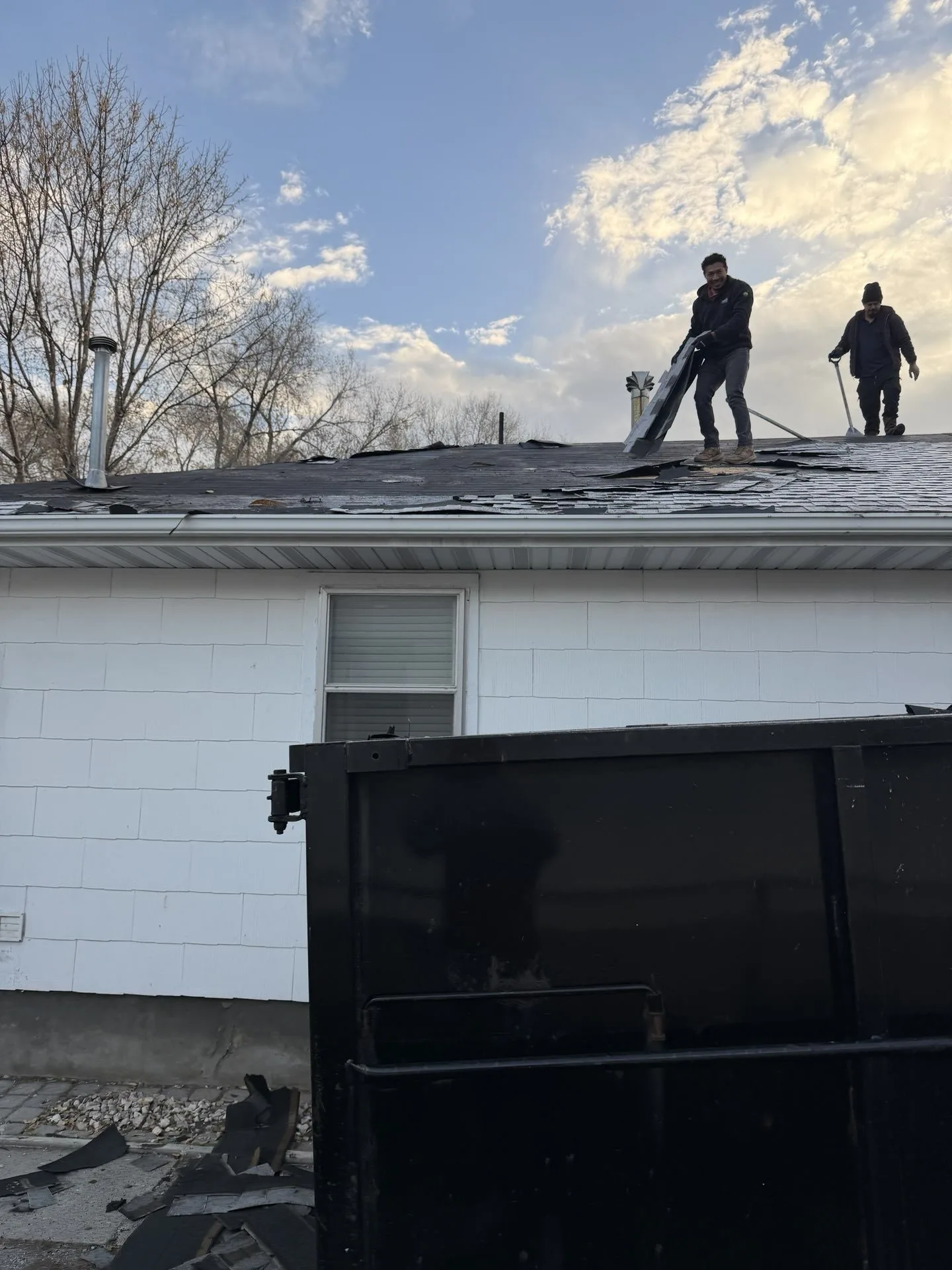
QUICK ANSWER: After a storm in Salt Lake City, document damage with photos within 48 hours, file your insurance claim within 30 days, and get a licensed Utah roofer on-site before any cleanup. Avenues homeowners need to factor in Historic District Commission review under SLC Code Title 21A.34, west-side homes need to check for UV-fatigued shingles, and hail season runs May through August. Frame Roofing Utah is licensed, insured, BBB Accredited (A+), and dispatches storm-response crews 24/7 across all SLC neighborhoods. Call 435-302-4422 for emergency response or a free inspection.
Why Salt Lake City Storm Damage Hits Each Neighborhood Differently
Salt Lake City's geography creates four distinct storm-damage profiles in a single municipality. Wasatch-bench neighborhoods like the Avenues, Capitol Hill, Federal Heights, and the Foothill / U District sit directly below the mountain face, which channels canyon winds into sustained 40 to 60 mph gusts during frontal passages and amplifies hail into tighter, harder-hitting cores. The valley west of I-15 — Glendale, Rose Park, Poplar Grove, the Westside — sees more open-prairie wind patterns and significantly more UV exposure, which fatigues asphalt shingles faster than the east-side equivalents at the same age.
Hail season on the Wasatch Front runs May through August, with peak activity in late May through early July. The National Weather Service Salt Lake City office records hail of one inch or larger in roughly 2 to 4 events per summer over the metro, with cores typically narrow — a Sugar House home and an Avenues home four miles north can be hit by completely different storms on the same day. This is why neighborhood-specific inspection matters: the storm pattern that damaged your roof may not have touched your insurance neighbor's roof, and a generic city-wide claim narrative weakens both.
The structural patterns also differ. Avenues homes are predominantly pre-1940 Victorian and craftsman with steeper pitches (8/12 to 12/12), often with original cedar shake under later asphalt overlays. Sugar House is dominated by 1920s to 1940s bungalows with low 4/12 to 6/12 pitches, where hail damage is harder to spot from the ground and pooling water finds compromised seal strips fast. West-side neighborhoods skew newer construction with simpler roof geometry but lower-grade original shingles and more west-facing UV exposure. The right post-storm response depends on which of these you live in.
Storm Damage Signs Every SLC Homeowner Should Check
After any wind, hail, or heavy-rain event, walk your property perimeter from the ground first — never climb onto the roof yourself, especially on the steep Avenues and Capitol Hill pitches. Look for shingle fragments in the yard or driveway, granule piles at downspout splash blocks, dented soft metals (gutters, mailbox, AC condenser fins, vehicle hoods), and lifted or rotated ridge caps visible from a sidewalk view. On west-side and Sugar House homes, check the back-yard fence line — wind tends to drop debris on the downwind side.
Inside, scan every ceiling and check the attic with a flashlight for new dark streaks on rafters, wet insulation, daylight visible between sheathing boards, or staining in closet and garage ceilings — these are the rooms where small leaks show first because they get inspected less. Any new water stain ring, even a small one, is an active leak until proven otherwise. In Sugar House and Liberty Wells bungalows with low-pitch roofs, water tracks farther horizontally before showing — a stain in the dining room may correspond to a breach above the back bedroom.
Pipe boots — the rubber collars around plumbing vents — fail on a 10-to-12-year cycle and are the most common single failure point after a wind event. Most SLC homes have 2 to 4 of these. Cracked or leaning boots are an open hole in your roof. Older Avenues homes may have galvanized metal boots that corrode faster than the rubber equivalents on newer west-side construction. Budget to replace these on any post-storm scope of work even if they appear intact from the ground — it's a $150 to $300 line item that prevents a $5,000 interior repair.
What To Do in the First 48 Hours After a Storm
Step one is safety. Stay off the roof. SLC roof pitches in the Avenues, Capitol Hill, and Federal Heights are routinely 8/12 to 12/12, and storm-loosened shingles cause more homeowner falls than any other roof activity. If a tree limb is on your roof or you see active leaking, call emergency tarping services immediately — a properly installed temporary tarp prevents tens of thousands of dollars of interior framing and drywall damage during the 5-to-10 days a permanent repair takes to schedule and complete.
Step two is documentation. Photograph every visible damage point from the ground: roof planes, gutters, soft metals, interior stains. Note the date, time, and approximate storm conditions. Wasatch Front summer storms often hit in narrow corridors, so a precise timestamp anchors your claim to a specific event the National Weather Service has on record. Weak documentation is the single most common reason hail-damage claims get denied or under-paid in Utah.
Step three is calling a Utah-licensed roofer for a documented inspection. Verify licensing at the Utah Division of Professional Licensing — out-of-state storm chasers descend on SLC after every significant hail event, and they routinely lack proper licensing, insurance, or local accountability when warranty issues surface six months later. Frame Roofing Utah is BBB Accredited (A+) and provides this inspection free with no obligation, whether you decide to file an insurance claim or not.
Insurance Claims for Salt Lake County Storm Damage
Most Utah homeowner policies require notice of a loss "as soon as reasonably possible" and allow formal claim filing within one year of the event. In practice, carriers treat claims filed within 60 days as routine, 60 to 180 days as standard, and past 180 days as scrutinized. After a Salt Lake County hail or wind event, the practical claim window without friction is roughly 60 days — past that, expect carriers to argue the damage was preexisting or caused by a different storm.
The claim process follows a specific sequence: open the claim with your insurer, photograph everything before any cleanup or repair, get a Utah-licensed contractor's documented inspection within 30 days, have the contractor present at the adjuster's site visit, and file a supplement if the adjuster's scope falls short of the actual repair reality. Most properly documented Salt Lake County claims close within 45 to 60 days with full coverage minus deductible. See our complete claim-process guide for a step-by-step breakdown.
Salt Lake City carries a quirk most other Wasatch Front cities don't: most neighborhoods have no HOA governance — the Avenues, Sugar House, Liberty Park, Liberty Wells, Capitol Hill, and most established residential areas operate without HOA design controls. That simplifies claim resolution because there's no second approval layer beyond the insurer. The exception is properties inside the Historic Preservation Overlay (Avenues and Capitol Hill primarily), where post-storm material changes need Historic Landmark Commission review under SLC Code Title 21A.34. Like-for-like in-kind repairs typically clear administratively, but any visible material upgrade triggers full design review.
Neighborhood-Specific Storm Considerations
Avenues and Capitol Hill homeowners face the highest combination of storm exposure and regulatory complexity. The Wasatch-bench wind corridor amplifies frontal-passage gusts, and approximately 1,300 contributing structures sit inside the Avenues Historic District. Like-for-like asphalt-to-asphalt repair is administrative; switching to architectural shingles, designer shake, or standing seam triggers Historic Landmark Commission review. Capitol Hill micro-overlays restrict copper flashing in some sub-areas — confirm before agreeing to an insurance-paid material upgrade. Frame Roofing Utah handles HLC submittals as part of any historic-district scope.
Sugar House, Liberty Wells, and 9th and 9th homes are predominantly 1920s-40s bungalows with 4/12 to 6/12 pitches. Class A fire-rated materials are required citywide. The low pitch hides hail damage from ground inspection — bruised mats, cracked seal strips, and granule loss patterns require a roof-deck inspection to identify. Insurance adjusters who only inspect from a ladder routinely under-scope these homes; a Utah-licensed contractor walking the deck (where safe) and documenting close-up will materially improve the supplement opportunity.
Federal Heights, Foothill Village, the U District, and Yalecrest sit at higher elevation than the central valley, which adds wind exposure on top of wind-corridor effects. Many homes here are mid-century with original architectural shingles that have aged 30+ years past their warranty. Same hail event, same square footage — these roofs typically have larger insurable damage scope than the equivalent west-side home. Document granule loss carefully; it's the most quantifiable indicator of cumulative impact.
Glendale, Rose Park, Poplar Grove, and the broader west side experience what climatologists call the heat-island effect: pavement and minimal tree canopy push summer surface temperatures 5 to 10 degrees above east-side neighborhoods, fatiguing asphalt shingles faster on the same product line. A 12-year-old shingle on the west side is functionally equivalent to a 16-year-old shingle in the Avenues. After storm damage, this often pushes the marginal call from "repair" to "replace," and the right post-storm scope on a west-side home should account for this. Cool-roof shingles and 50%-or-better attic ventilation upgrades make sense at the time of replacement.
The Frame Roofing Utah Repair Process
Every storm-damage repair starts with a free, no-obligation roof inspection. Our crew documents the full damage scope with annotated photos, measures every plane, and provides a written estimate within 24 to 48 hours. We work to current International Residential Code (IRC R905) standards and Utah DOPL contractor licensing requirements, and every reroof or major repair includes our 10-year workmanship warranty plus the manufacturer's material warranty (typically 30 to 50 years on architectural shingles).
For partial repairs, we replace damaged shingles, reseal compromised flashing, install new pipe boots, and reinforce ice-and-water shield in vulnerable areas. SLC's IRC R905.1.2 minimum is 36 inches of ice-and-water shield extending 3 feet past the interior wall line; on north-facing planes and Avenues homes with steep pitches we typically install full-deck ice-and-water shield as a baseline. For full reroofs, we tear off to the deck, inspect and replace any rotten sheathing, install a complete underlayment system, and apply HDC- or HOA-compliant materials where required. Full reroof scope details are here.
Throughout the repair we coordinate with your insurance adjuster, the SLC Historic Landmark Commission (where applicable), and the SLC building department on permits. Homeowners do not need to manage any of this directly. We schedule around SLC summer-storm windows so your reroof doesn't kick off the day before the next 70-mph squall comes off the Wasatch — that scheduling discipline is one of the differences between a local Utah contractor and an out-of-state storm chaser.
Frequently Asked Questions
Does my Avenues home need Historic Landmark Commission review for storm-damage roof repair?
If your home is one of the approximately 1,300 contributing structures in the Avenues Historic District, any visible exterior change including a reroof requires Historic Landmark Commission review under Salt Lake City Code Title 21A.34. Like-for-like repairs (replacing damaged shingles with the same product) typically clear administratively, but material changes need full design review. Frame Roofing Utah handles HLC submittals as part of any Avenues or Capitol Hill scope.
When is hail season in Salt Lake City and when should I worry about damage?
Hail season on the Wasatch Front runs May through August, with peak activity in late May through early July. The National Weather Service records hail of one inch or larger in 2 to 4 events per typical summer across the metro. Hail cores are usually narrow, so a Sugar House home and an Avenues home four miles north can be hit by completely different storms on the same day. Schedule a free post-storm inspection within 30 days of any significant event in your neighborhood.
Why do west-side Salt Lake City roofs fail faster in storms than Avenues homes?
The west side of Salt Lake — Glendale, Rose Park, Poplar Grove — experiences a measurable heat-island effect. Pavement coverage and limited tree canopy push summer surface temperatures 5 to 10 degrees above east-side neighborhoods, which fatigues asphalt shingles faster on the same product line. A 12-year-old west-side shingle is functionally equivalent to a 16-year-old Avenues shingle. Same hail event, more damage — and often the marginal call shifts from repair to replace.
Can I file an insurance claim if my Sugar House bungalow has hail damage but no visible leaks?
Yes. Hail bruising, cracked seal strips, and granule loss patterns on Sugar House's low-pitch bungalow roofs are insurable damage even without visible leaks. The damage compounds over the next 12 to 24 months as the compromised shingles fail in subsequent weather events. The trick is documentation — adjusters inspecting only from a ladder routinely miss low-pitch hail bruising. A Utah-licensed contractor on the roof deck during the adjuster visit materially improves claim outcomes.
How long does storm damage roof repair take in Salt Lake City neighborhoods?
Minor repairs (shingle replacement, flashing reseal, pipe boot replacement) typically complete in 1 to 2 days. Full reroofs run 4 to 7 days depending on roof complexity and whether HLC or building-department permits are required (Avenues and Capitol Hill add 1 to 2 weeks for HLC review on material changes). Emergency tarping happens within 24 hours of the call. Frame Roofing Utah dispatches storm-response crews 24/7 across all SLC neighborhoods during May-August hail season and December-February ice-dam season.
Sources & References
- National Weather Service — Salt Lake City
- Salt Lake City Code Title 21A.34 (Overlay Districts — Historic Preservation)
- International Residential Code R905
- Utah Division of Professional Licensing (DOPL)
- Utah Insurance Department
Frame Roofing Utah serves homeowners across the Wasatch Front and Heber Valley with free post-storm and pre-purchase inspections. Call 435-302-4422 or schedule online. Every repair is backed by our 10-year workmanship warranty.