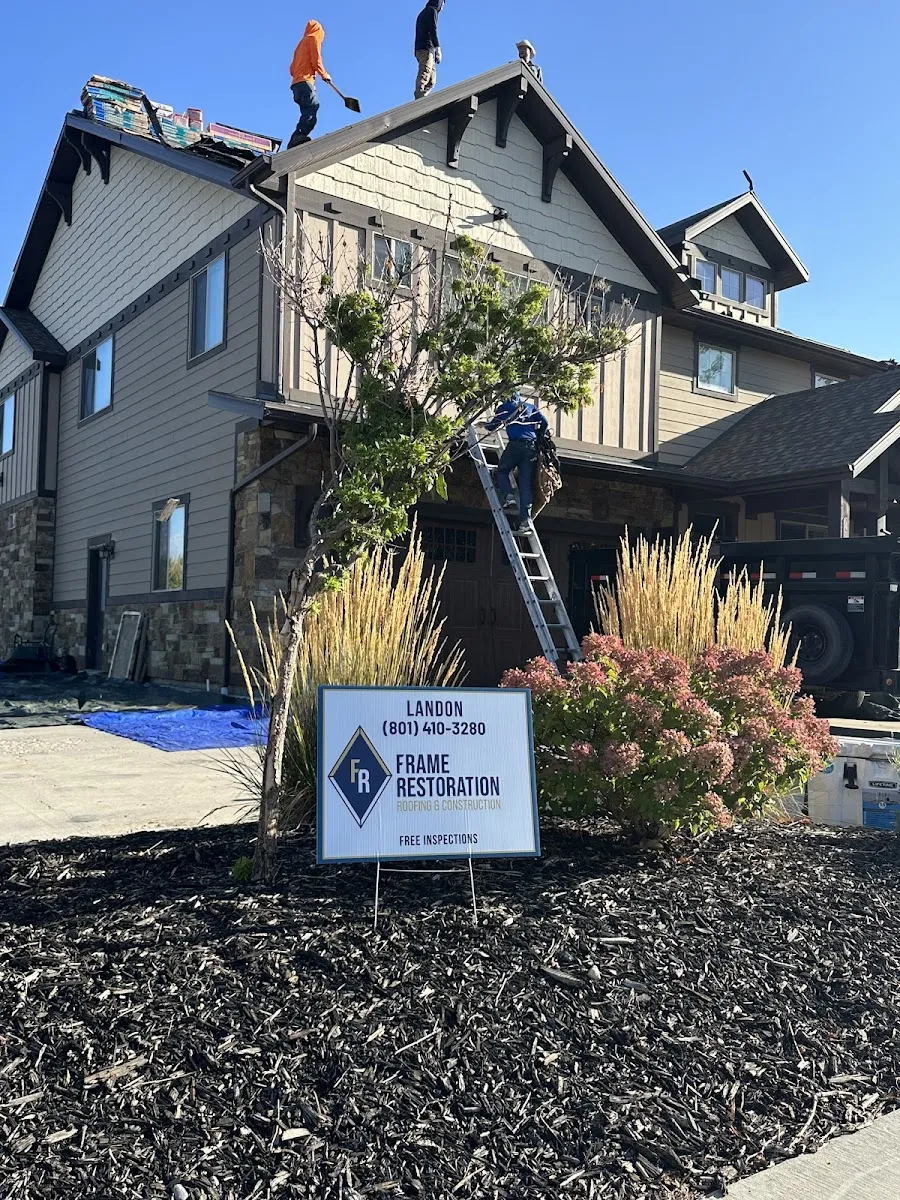
Your roof is one of the largest investments protecting your Lehi home. When hail strikes — and in Utah's Front Range corridor, it's a matter of when, not if — understanding exactly how it affects your roofing system puts you in the strongest position to maintain your home's value and structural integrity for years to come.
This guide is designed for homeowners who want clarity, not pressure. We'll walk through how hail impacts different roofing materials, what a thorough professional assessment reveals, and how to make informed decisions about repair, replacement, and long-term resilience.
Why Lehi's Geography Creates Unique Hail Exposure
Lehi occupies a particularly active weather corridor. Situated in the transition zone between the Salt Lake Valley floor and the Wasatch Front, Lehi lies directly in the path of storm systems where warm valley air collides with cold northern fronts — precisely the conditions that produce significant hail.
Spring and early summer bring the highest frequency of hail events, with stones ranging from pea-sized to golf-ball diameter or larger. Understanding this geographic reality isn't meant to cause alarm — it's meant to inform the material choices, maintenance schedules, and inspection routines that keep your roof performing at its best despite the conditions.
How Hail Affects Different Roofing Materials
Not all roofing systems respond to hail the same way. Knowing how your specific materials react helps you recognize issues early and evaluate whether repairs or upgrades make sense for your situation.
Asphalt Shingles
The most common roofing material in Lehi, asphalt shingles show hail impact in several ways. Smaller hail displaces the protective granule coating, exposing the underlying asphalt to accelerated UV degradation. Larger hail creates visible dents, fractures, or splitting — each creating potential pathways for moisture. Even minor granule loss, while cosmetically subtle, begins a gradual deterioration process that shortens your roof's effective lifespan.
Metal Roofing & Standing Seam
Metal roofing handles hail differently. Impact creates permanent dents rather than structural fractures. While metal won't crack or split, significant denting on standing seam systems can compromise the integrity of seam connections — the very joints that keep water out. High-quality gauge metal and proper installation techniques minimize this vulnerability.
Wood Shake
Some Lehi homes feature wood shake roofing, which is particularly susceptible to hail splitting. Cracks running along the grain may not be immediately apparent but create reliable pathways for water infiltration, eventually leading to rot and structural compromise if unaddressed.
Tile & Slate
These premium materials bring exceptional aesthetic value but are brittle under impact. Hail can crack or shatter individual tiles, and cracked pieces must be replaced — not patched — to maintain proper water shedding.
How can I identify hail damage on my Lehi roof?
Hail damage presents as rounded dents or bruises on shingles, often with dark patches where protective granule coating has been displaced. Metal roofing shows visible denting. Damage typically appears in clusters rather than isolated spots. A professional inspection reveals damage that isn't visible from the ground — including compromised underlayment and hairline fractures that lead to long-term degradation.
What a Professional Assessment Actually Reveals
A thorough roof inspection after hail goes far beyond what's visible from your driveway. Here's what a qualified assessment covers and why each element matters:
Surface-level damage mapping. A trained eye identifies the difference between cosmetic wear and structural compromise. Granule displacement patterns, fracture depth, and damage density across different roof planes all factor into an accurate assessment.
Underlayment and substrate evaluation. Hail impact can damage layers beneath your visible roofing material. Compromised underlayment may not leak immediately but creates vulnerability that compounds with each subsequent weather event.
Flashing, vent, and penetration inspection. Every point where something penetrates your roof — vents, skylights, chimneys, exhaust pipes — is a potential weak point after hail. Professional assessment checks each of these for damage or displacement.
Comprehensive documentation. Detailed photographic documentation and measurements serve multiple purposes: they establish a clear record of your roof's condition, support any insurance discussions, and create a baseline for monitoring changes over time.
Frame Roofing Utah provides complimentary professional inspections in Lehi. Our goal is to give you complete clarity about your roof's condition so you can make decisions with confidence — whether that means monitoring, targeted repairs, or planning a full upgrade.
Repair vs. Replacement: Making the Right Investment Decision
The choice between repair and replacement isn't always straightforward, and the right answer depends on your specific situation. Several factors guide that decision:
Roof age and remaining lifespan. A newer roof with localized damage is an excellent candidate for targeted repair — restoring full function without the cost of replacement. An aging roof with widespread damage, however, often makes replacement the smarter investment. Patching an older system extends its life marginally while leaving underlying vulnerabilities unaddressed.
Damage extent and distribution. Isolated damage to one roof plane is different from widespread impact across the entire system. When damage covers a significant portion of your roof, replacement provides a clean slate with consistent material integrity across every surface.
Material upgrade opportunity. Hail damage sometimes presents an opportunity to upgrade your roofing system. Impact-resistant shingles, higher-gauge metal, or architectural materials that weren't available when your home was built can dramatically improve your roof's resilience for the next twenty to thirty years.
Insurance considerations. Your homeowner's policy typically covers hail damage. A thorough professional assessment ensures that the full scope of damage is accurately documented, which helps your insurance process proceed smoothly and fairly. Frame Roofing Utah works alongside your insurance process — providing clear documentation and honest assessment without the high-pressure tactics that give the industry a bad name.
Should I repair or replace my Lehi roof after hail damage?
The right approach depends on your roof's age, the extent of damage, and the materials involved. Localized damage on a newer roof often warrants targeted repair. Widespread damage — or damage on an aging roof — frequently makes full replacement the smarter long-term investment, especially when paired with upgraded impact-resistant materials. A thorough professional assessment provides the clarity you need to make the right decision.
Building Long-Term Hail Resilience
Whether you're repairing, replacing, or simply planning ahead, there are meaningful steps you can take to strengthen your roof's performance against Lehi's recurring hail exposure:
- Impact-resistant shingles — engineered specifically to absorb hail energy without fracturing, these materials offer significantly better performance than standard asphalt and often qualify for insurance premium discounts
- High-gauge metal roofing — thicker gauge metal withstands larger hail with minimal denting and offers decades of reliable service in hail-prone regions
- Quality underlayment systems — synthetic underlayment provides a critical secondary barrier that protects your decking even if surface materials are compromised
- Regular professional maintenance — annual inspections catch developing issues before they become expensive problems, and maintain a documented history of your roof's condition
- Proper ventilation and drainage — well-designed attic ventilation and gutter systems prevent the moisture accumulation that turns minor hail damage into major structural concerns
Every roofing decision is an investment decision. Choosing materials and installation quality that account for Lehi's weather patterns means fewer repairs, longer service life, and better protection for your home's value.
The Frame Roofing Utah Approach
We believe homeowners deserve complete transparency and zero pressure. Here's what working with Frame Roofing Utah looks like after hail affects your Lehi home:
We start with a thorough inspection — documenting every finding with detailed photography and measurements. We explain exactly what we see, what it means for your roof's performance, and what your options are. If repairs are sufficient, we'll tell you. If replacement makes more sense, we'll explain why.
Our installation teams follow manufacturer specifications precisely, using quality materials and proper techniques that protect your warranty and your investment. We coordinate professionally with your insurance process, providing the documentation needed for smooth claim resolution.
No pressure. No scare tactics. Just honest assessment, expert craftsmanship, and a commitment to doing right by your home.