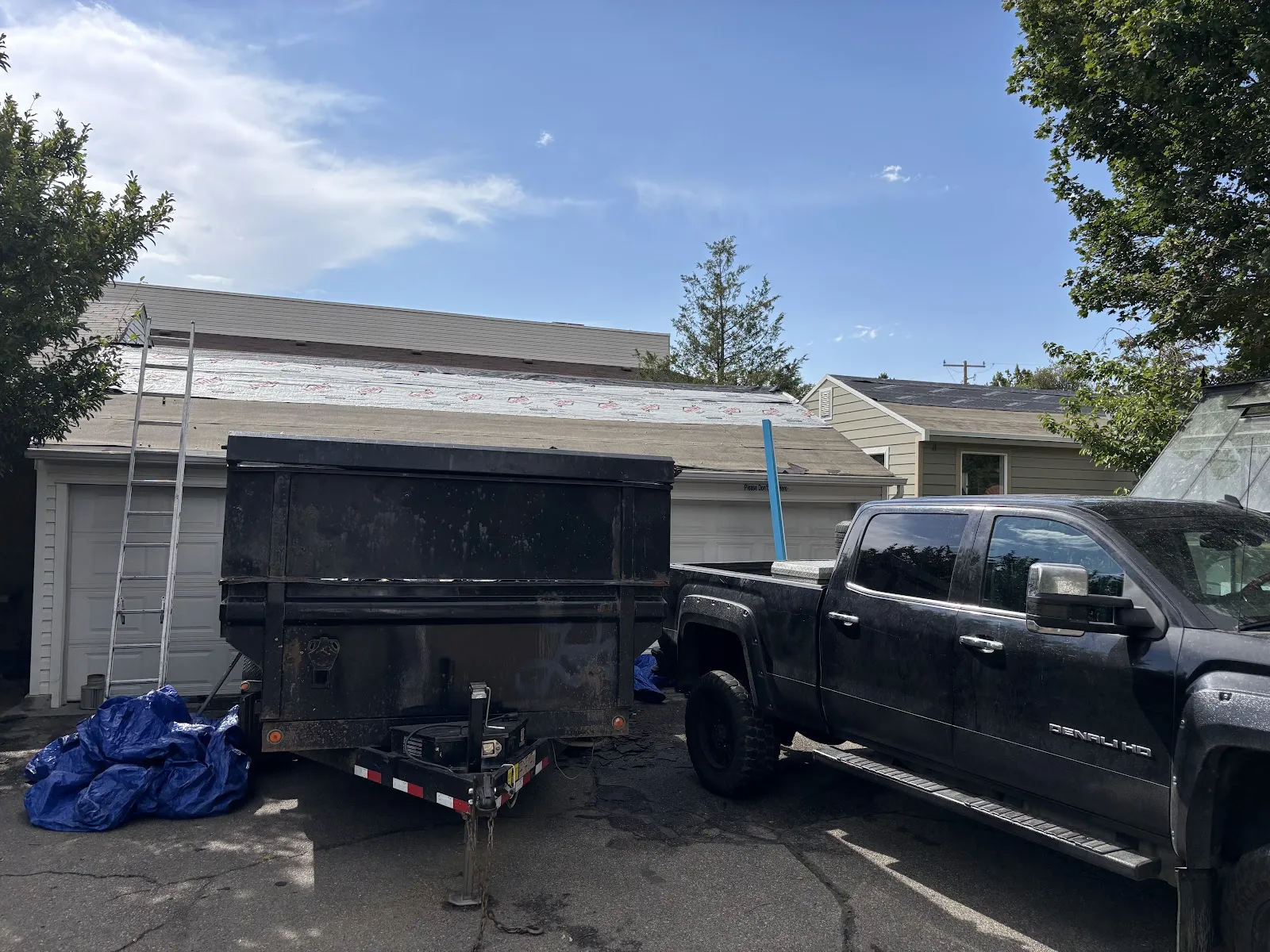
When Your Roof Needs Immediate Attention
Your home is likely the largest investment you'll make in your lifetime, and the roof is its first line of defense. When damage occurs — whether from a fallen branch, severe weather, or age-related failure — the hours that follow are critical. Water intrusion through a compromised roof can spread rapidly through ceilings, walls, and structural framing, turning a manageable repair into a far more costly restoration project.
Professional temporary protection (commonly called tarping) is the essential first step in safeguarding your home while permanent repairs are planned and executed properly. It's not a DIY shortcut or a patch — it's a deliberate protective measure that buys time for a thorough assessment, careful material selection, and quality workmanship on the permanent fix. For Layton homeowners in the 84041 area, understanding how this process works gives you the confidence to make smart decisions when it matters most.
What Professional Roof Protection Actually Involves
There's a meaningful difference between draping a tarp over damaged shingles and installing a properly engineered temporary protection system. The goal isn't just to cover the hole — it's to create a watertight barrier that manages drainage, resists wind uplift, and protects the roof structure from further deterioration while permanent repairs are completed.
Thorough Damage Assessment First
Before any material touches your roof, a certified inspector evaluates the full scope of damage. Surface-level problems often mask deeper issues — compromised decking beneath missing shingles, displaced flashing that's allowing water behind walls, or structural stress that isn't visible from the ground. This assessment determines both the immediate protection strategy and the scope of permanent repairs your home needs.
Proper Surface Preparation
Debris removal and surface preparation ensure the protective membrane sits flush against the roof plane. Gaps and wrinkles create water pooling zones that defeat the purpose of the protection entirely. In neighborhoods like Sunset View and Central Layton, where homes face everything from spring storms to winter ice, proper preparation is the difference between protection that holds and protection that fails.
Professional-Grade Materials and Installation
Professional tarps rated at 6-mil thickness or heavier are secured using dimensional lumber battens fastened through the membrane into the roof structure at regular intervals. This distributes wind loads evenly and prevents edge peeling — the most common failure mode of DIY tarping attempts. The membrane is tensioned to shed water toward gutters and downspouts, maintaining proper drainage patterns that protect your foundation and landscaping below.
Drainage Management
Even the best temporary protection needs drainage management. Water naturally finds any low point, and a single pooling zone can concentrate hundreds of pounds of weight on a compromised roof section. Supplementary drainage channels direct water away from vulnerable areas, protecting the structure while the permanent repair plan comes together.
How long does professional temporary roof protection last?
A properly installed protection system remains effective for 3–6 months under normal conditions. UV exposure and temperature cycling gradually degrade the membrane, so it's designed as a bridge to permanent repair — not a long-term solution. Frame Roofing Utah coordinates permanent repairs within this window, typically completing the full project well before the protection reaches its service limit.
Why Prompt Protection Matters for Your Home's Value
The real cost of roof damage isn't the shingles or the decking — it's the cascade of secondary damage that occurs when water enters your home unchecked. Understanding this helps you see temporary protection not as an extra expense but as a high-return investment in preserving your property.
- Structural integrity: Wood framing, rafters, and trusses begin deteriorating with sustained moisture exposure. Structural repairs are among the most expensive components of any restoration project, and they're almost entirely preventable with timely protection.
- Insulation performance: Wet attic insulation loses its R-value immediately and creates conditions for mold colonization within 24–48 hours. Remediation costs for mold-affected insulation typically exceed the cost of a complete reroof.
- Interior finishes: Water-damaged drywall, paint, and flooring require full replacement — not patching. A single unprotected opening can affect multiple rooms as water travels along framing members and electrical runs.
- Home resale value: Documented water damage history reduces property values significantly. Homes with properly managed damage — prompt protection followed by quality permanent repair — maintain their market position far better than those with visible water damage history.
For most Layton homes, the cost of professional temporary protection represents a small fraction of the secondary damage it prevents. It's one of the clearest return-on-investment decisions a homeowner can make.
Working with Your Insurance Company
If your roof damage results from a covered event, your homeowners insurance typically covers both temporary protection and permanent repairs. Here's what Layton homeowners should know about navigating this process with confidence:
Act first, file second. You have both the right and the responsibility to mitigate further damage to your property. Professional temporary protection falls under this duty, and waiting for insurer approval while water enters your home works against your claim, not for it.
Documentation is everything. Professional protection comes with thorough photo documentation of the original damage, the protection installation, and the condition of surrounding areas. This documentation becomes the foundation of a strong insurance claim and establishes a clear timeline that adjusters can follow.
Coordination simplifies the process. Frame Roofing Utah works directly with insurance adjusters throughout the Davis County area. We speak their language, provide the documentation formats they expect, and handle the back-and-forth so you can focus on your family and your home. Our goal is to make the claims process feel like a partnership, not a battle.
Should I wait for insurance approval before protecting my roof?
No. Your policy includes a duty to mitigate further damage, which means taking reasonable steps to prevent water intrusion is expected — not optional. Temporary protection falls squarely under this responsibility. Report the damage to your insurer as soon as practical, but protecting your home comes first. Frame Roofing Utah documents everything to support your claim regardless of when it's filed.
Professional Protection vs. DIY Attempts
The impulse to climb up and handle things yourself is understandable, but there are good reasons why most homeowners ultimately call a professional — and why insurers prefer professional installation:
- Safety: Damaged roof surfaces are inherently unstable. Loose decking, compromised trusses, and wet surfaces create fall risks that professional crews manage with proper safety equipment and training.
- Effectiveness: The most common DIY failure is inadequate edge securing, which allows wind to peel the membrane within days. Professional batten-and-fastener systems hold through sustained wind events that consumer approaches can't withstand.
- Claim support: Insurance adjusters expect professional-quality documentation. A DIY tarp with a few bungee cords doesn't carry the same weight as a documented professional installation when it's time to process your claim.
- Avoiding additional damage: Improperly placed fasteners, dragged tarps, and heavy foot traffic on compromised areas can create new leak points. Professionals know how to work on damaged structures without making things worse.
From Temporary Protection to Permanent Repair
The real value of working with a full-service roofing company is continuity. The team that assesses and protects your roof already understands the scope of permanent repairs needed. There's no handoff, no repeated inspections, and no lost context between the temporary fix and the lasting solution.
Frame Roofing Utah handles the complete lifecycle of roof damage recovery for Layton homeowners:
- Assessment and protection — Professional damage evaluation and temporary protection to stabilize your home
- Insurance coordination — Direct communication with your adjuster, supported by thorough documentation
- Permanent repair or reroof — Quality materials, expert installation, and craftsmanship built to last through decades of Davis County weather
- Final walkthrough — Detailed inspection of the completed work with you, ensuring every detail meets our standards and yours
Whether your home needs targeted shingle replacement, flashing repair, or a complete reroof, every project receives the same level of attention and craftsmanship. We don't cut corners on materials or timelines, and we stand behind every project we complete in the 84041 area.
How quickly does Frame Roofing Utah respond to roof damage in Layton?
Our team typically reaches Layton homes within 1–2 hours during normal conditions. During widespread weather events when many homes are affected simultaneously, we prioritize by severity and communicate realistic timelines. What doesn't change is the quality of work — whether we're the first call or the fiftieth, every home receives the same professional assessment and installation standards. Call 435-302-4422 for immediate assistance.
Safeguarding Your Layton Home for the Long Term
The best way to handle roof damage is to prevent it. Regular professional inspections catch small vulnerabilities before they become expensive problems. Proper attic ventilation, quality materials rated for Utah's climate, and proactive maintenance extend your roof's lifespan and reduce the likelihood of unexpected failures.
If your Layton home has experienced damage — or if it's simply been a few years since your last inspection — Frame Roofing Utah offers complimentary professional assessments. We'll evaluate your roof's current condition, identify any concerns, and provide honest recommendations. No pressure, no obligation — just expert guidance to help you protect your investment.